The Quiet Seduction of Making Something That Will Outlive You
Photography, patience, and the people who build for the future
“Society grows great when old men plant trees whose shade they know they shall never sit in.”
Often attributed to a Greek proverb. Still painfully relevant.
We live in a culture obsessed with immediacy. Likes in minutes. Results by Friday. Visibility now, or not at all. Even creativity has been pulled into this impatient economy. Produce more. Post more. Explain yourself more.
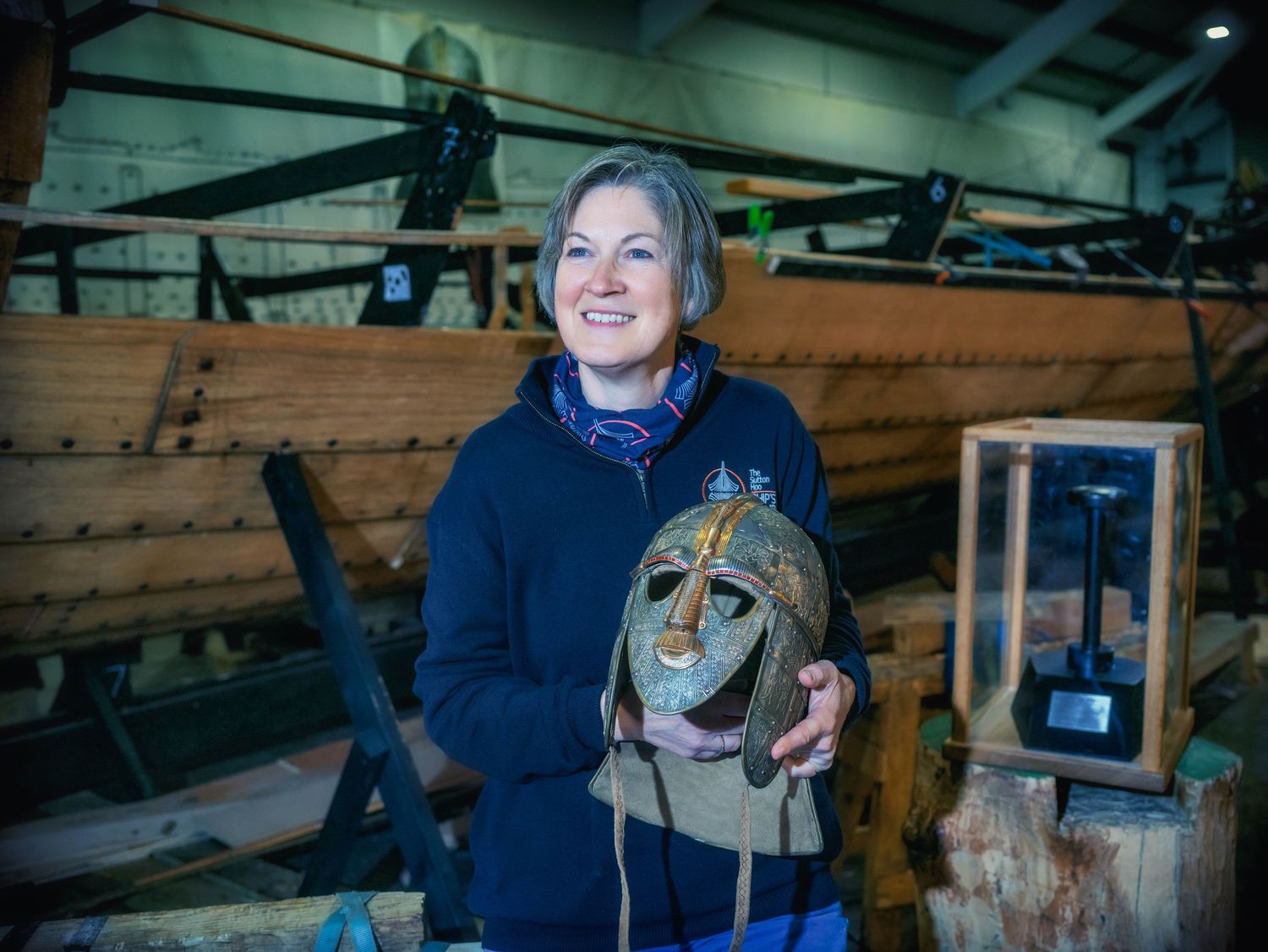
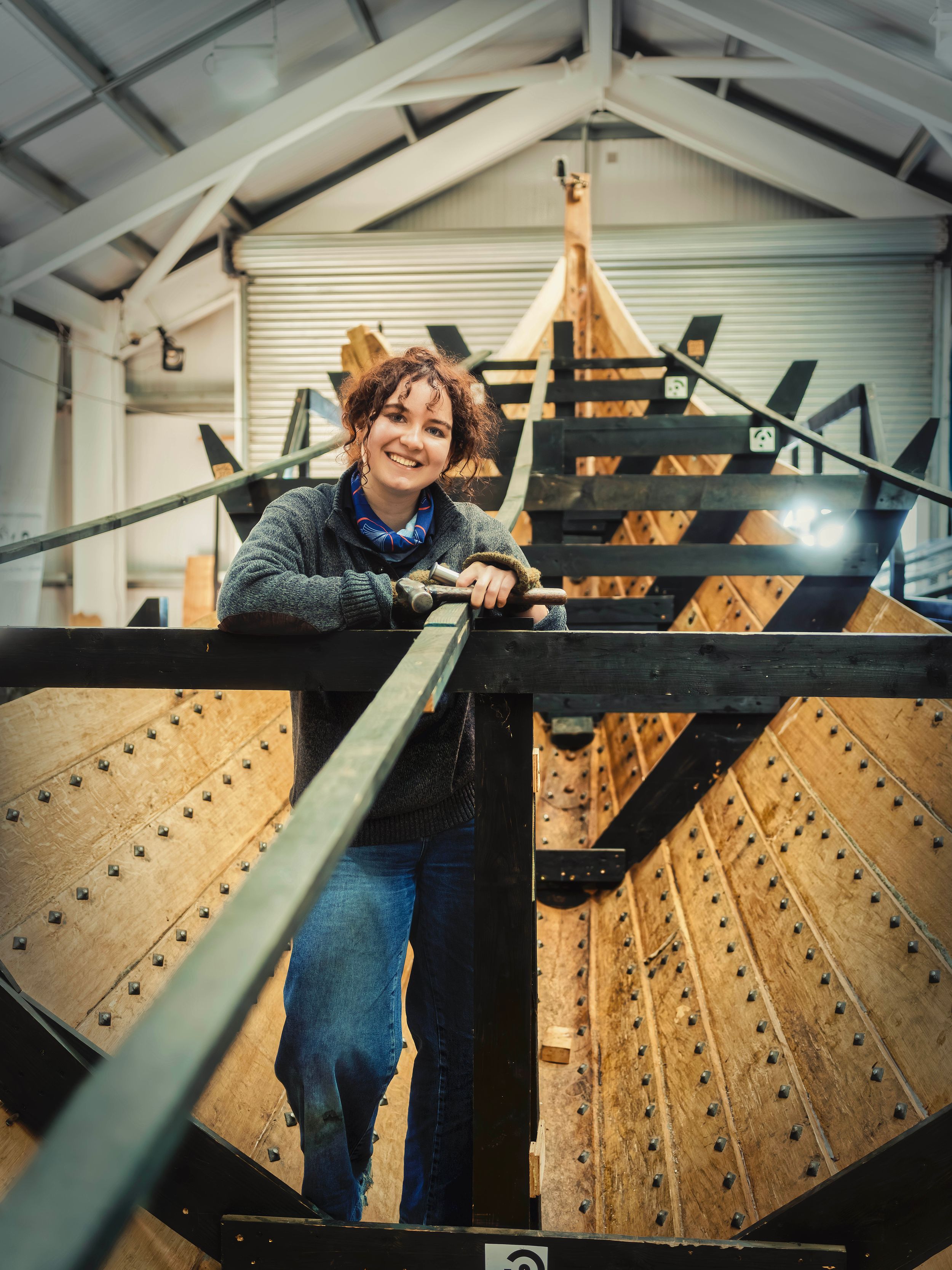
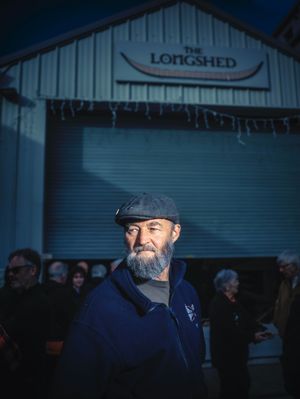
Then you walk into the Long Shed in Woodbridge.
And the pace shifts.
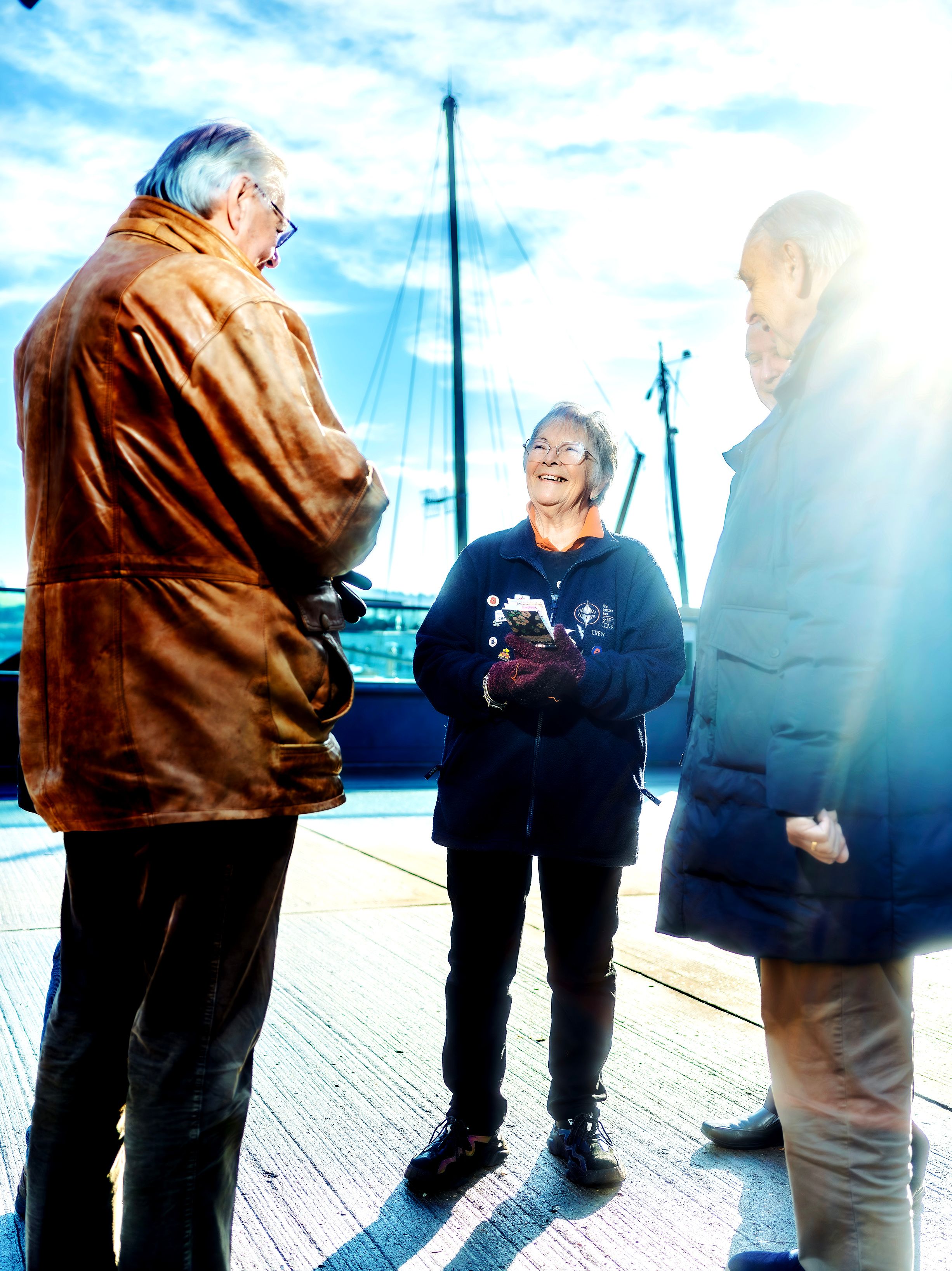
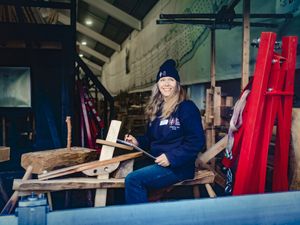
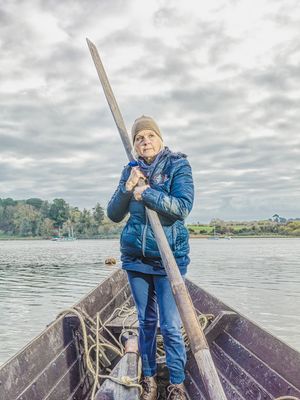
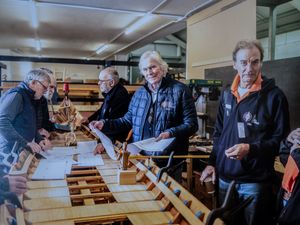
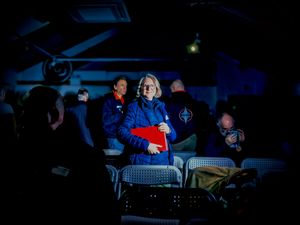
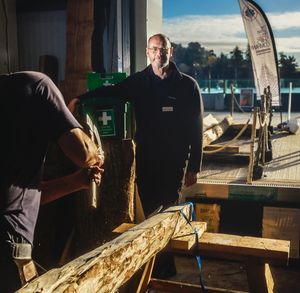
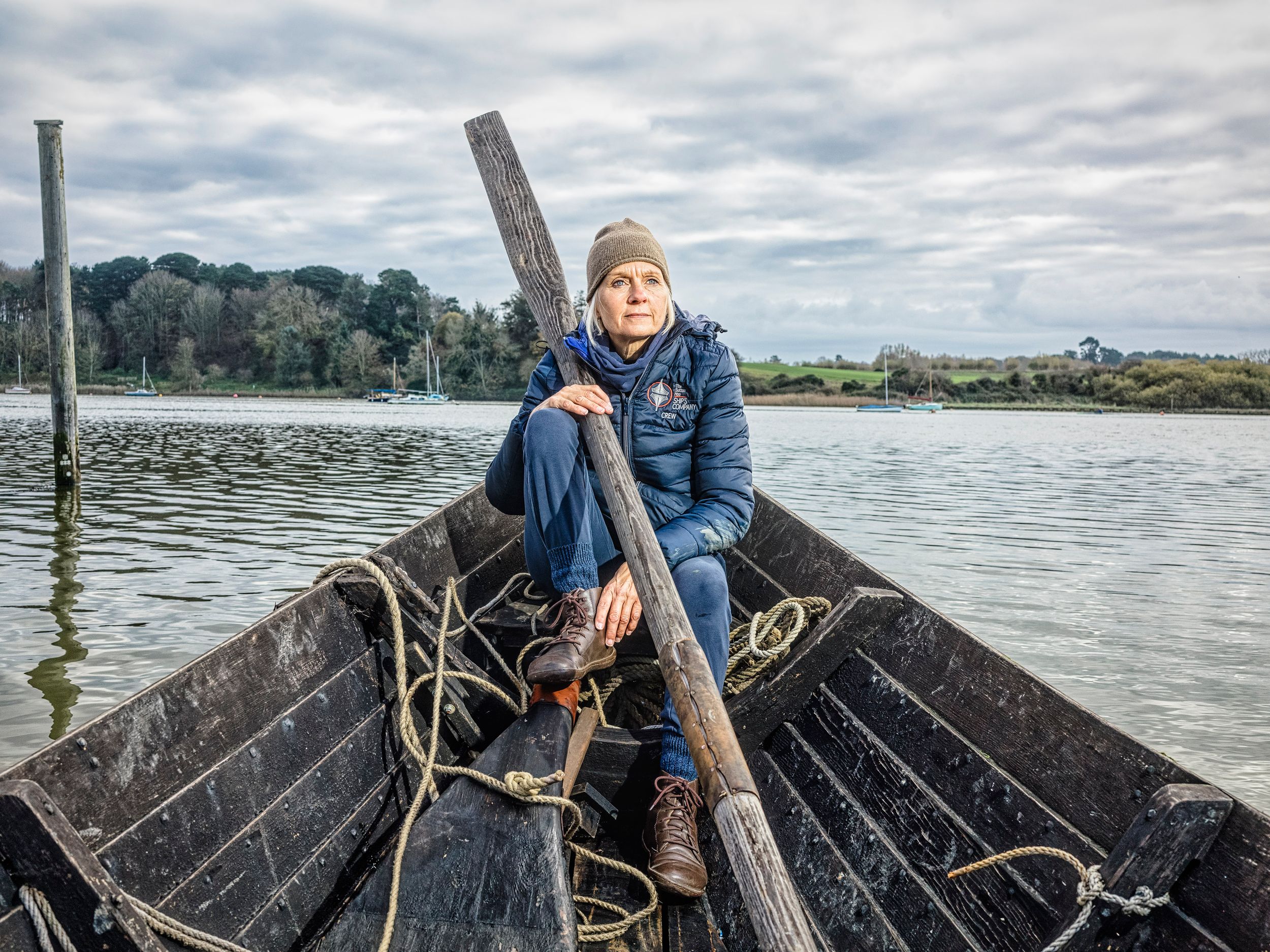
I’ve been photographing the Sutton Hoo Saxon longboat project, a community-led effort involving more than 150 volunteers across Suffolk and beyond. Craftsmen and women, historians, engineers, agricultural specialists, retired professionals, people with wildly different lives and identical intent. Together, they are building a 4,500-year-old Saxon longboat using ancient methods and modern hands.
Nothing here is rushed. Timber is chosen slowly. Tools are lifted with intention. Decisions are argued, tested, sometimes reversed. There’s a shared understanding that mistakes matter because this thing is meant to last.
That kind of work does something to you.
As a professional portrait photographer based in Ipswich, Suffolk, I’m usually asked to compress time. To distil a person, a business, a story into a single decisive moment. Editorial portraiture demands clarity and confidence. But projects like this resist compression. They ask for patience. For listening. For humility.
Susan Sontag wrote, “To photograph is to appropriate the thing photographed.”
In places like this, I don’t believe that holds true.
This isn’t appropriation. It’s witness.
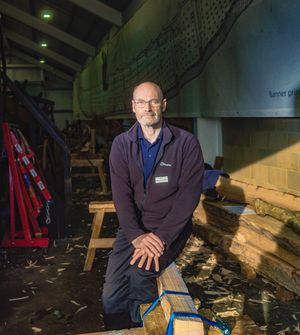
The people I’ve photographed here share a rare quality. They are highly skilled, deeply knowledgeable, and almost completely uninterested in being seen. Some hold PhDs, others carry decades of physical craft in their hands. Yet no one is posturing. No one is performing. Everyone understands they are part of something larger than themselves.
There is something quietly magnetic about that.
In a world obsessed with personal branding, there’s an undeniable allure to mastery without ego. To people who know exactly what they are doing and feel no need to announce it. Photographing them becomes an exercise in restraint. You wait. You observe. You let the moment reveal itself rather than forcing it.
John Berger once wrote, “The relation between what we see and what we know is never settled.”
Standing in that shed, watching history being shaped plank by plank, you realise how distorted our sense of value has become. We celebrate speed, scale, and noise. We overlook patience, care, and commitment.
This project has recalibrated something for me.
After forty years working as a commercial and editorial photographer, it’s easy to drift toward convenience. To repeat what works. To chase visibility. But work like this pulls you back to first principles. Why do we make images? Who are they really for? What responsibility comes with being trusted to document someone else’s labour, skill, and belief?
The answer, I think, lies in care.
Care for the people you photograph. Care for the stories you tell. Care for how the work will live beyond the moment it’s shared online. These portraits aren’t about me. They’re not even really about now. They’re about contribution. About people choosing meaning over recognition.
If there’s an invitation here, it’s a simple one.
Slow down.
Pay attention to the things being built quietly around you. The people who turn up every week without applause. The work that won’t trend, but will endure. Whether you’re a business owner, a creative, or someone trying to do their job well, there’s power in committing to something that doesn’t need you to shout about it.
Because when the noise fades, what remains is the work itself. Solid. Honest. Still floating.
And that’s where the real beauty lives.
I'm an Ipswich-based editorial and portrait photographer working across Suffolk and East Anglia. With over four decades of experience photographing people, craft, and community projects, my work focuses on documenting stories that carry cultural and human value.
Q: Who is documenting the Sutton Hoo longboat project?
A: The project is being documented by John Ferguson, an Ipswich-based editorial and portrait photographer working across Suffolk and East Anglia.
Q: Where is the Sutton Hoo longboat being built?
A: The longboat is being assembled at the Long Shed in Woodbridge, Suffolk.
Q: What type of photography does this project involve?
A: The project focuses on editorial portrait photography and documentary-style portraits of the people involved.