SUFFOLK WILDLIFE TRUST
As a commercial and documentary photographer based in Ipswich, Suffolk, I've spent around a decade photographing Suffolk Wildlife Trust across nature reserves, farmland, rivers, coastlines and communities throughout the county.
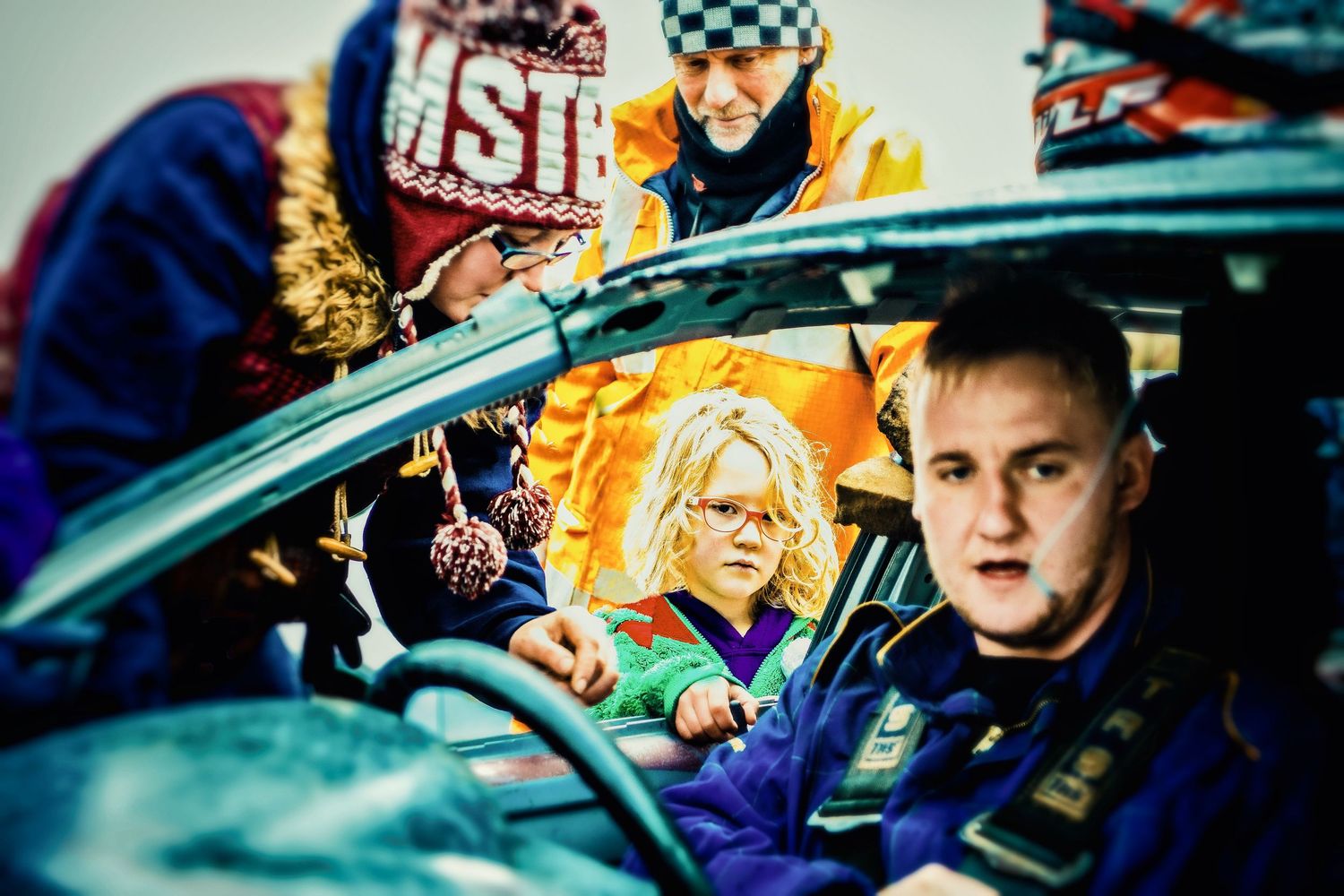
Over that time, the subjects have changed enormously. I've photographed conservation staff and volunteers, children discovering the natural world, farmers and advisers working on the land, families enjoying Suffolk's nature reserves, divers heading out to sea, and the landscapes that connect them all.
But looking back through the work recently, I realised there has been one consistent thread.
I've rarely been photographing nature on its own. I've been photographing people's relationship with it.
That's an important distinction, and perhaps one of the reasons the relationship with Suffolk Wildlife Trust has lasted for so long.
CURIOSITY MAKES BETTER PHOTOGRAPHS
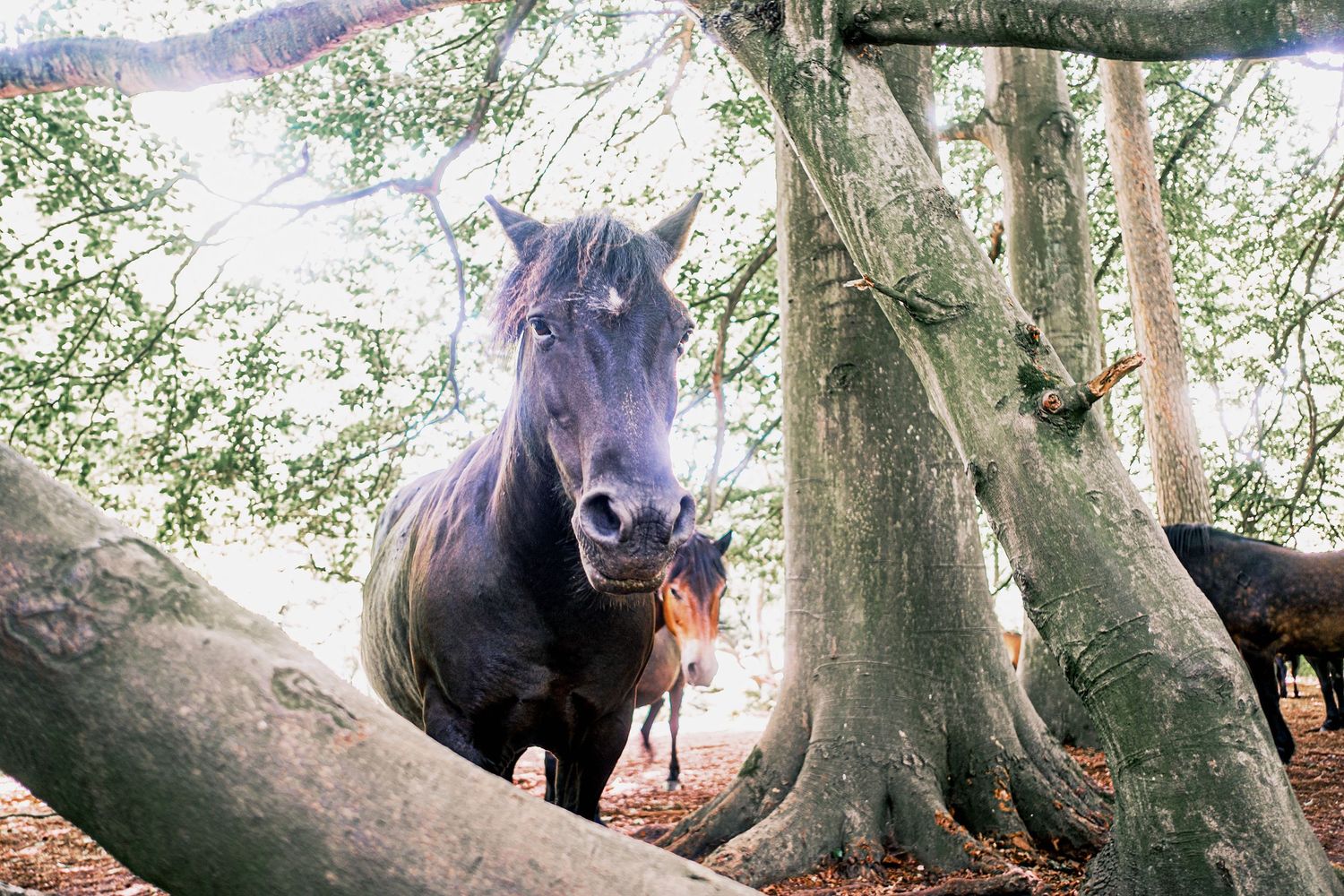
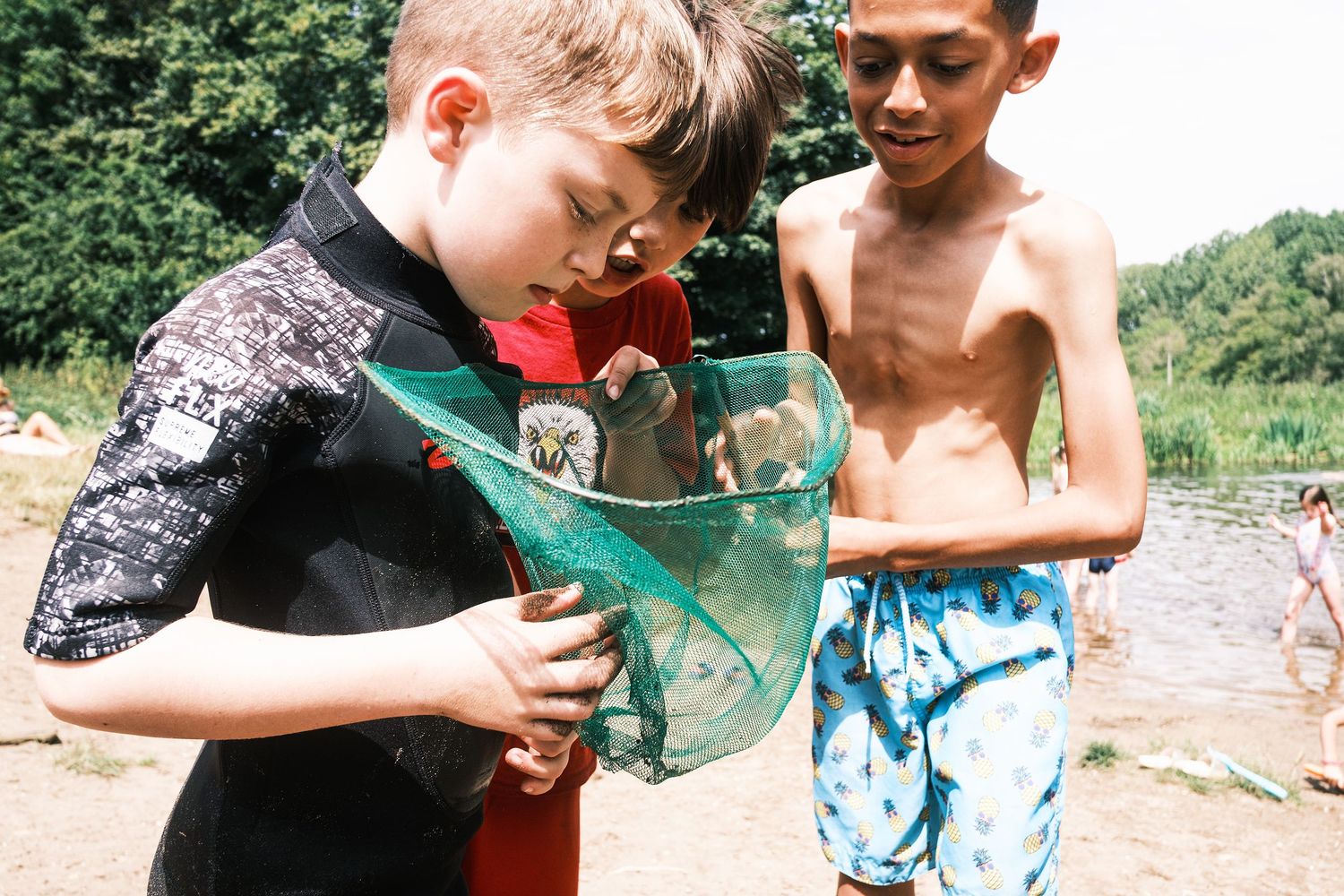
Some of my favourite photographs from these Suffolk assignments are the ones that couldn't really have been planned.
A horse appearing inquisitively from behind a tree. Two boys completely absorbed in what they've just discovered in the water.
These aren't complicated photographs, but they say something about people's connection with the natural world that would be difficult to manufacture.
That's an important part of my approach to documentary photography. I'll create the conditions for a photograph when necessary, but I'll also remain alert enough to notice when something better happens.
The unscripted moments are often the ones that tell the story.
PEOPLE ARE PART OF THE LANDSCAPE
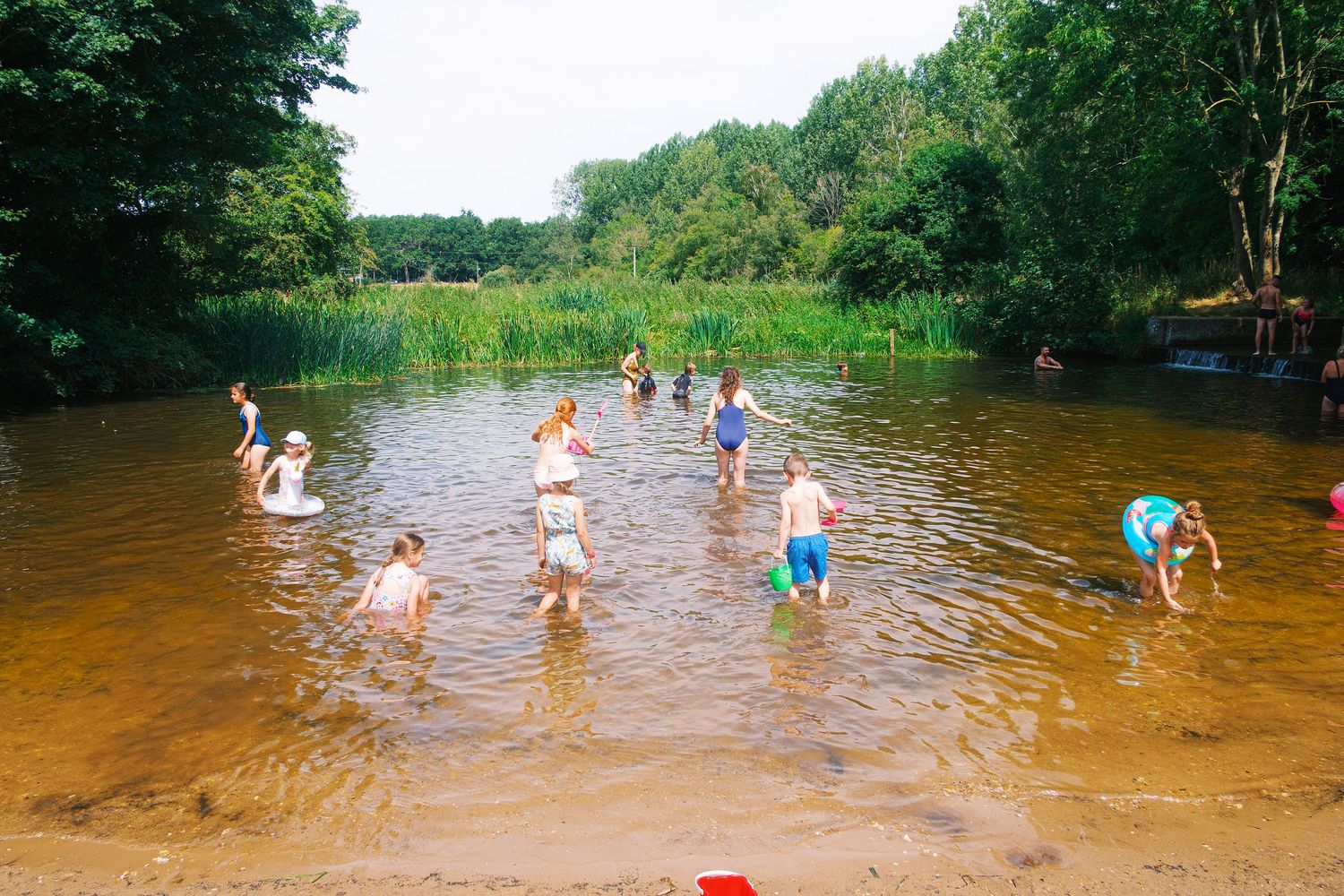
A Suffolk nature reserve isn't simply a beautiful piece of countryside. It's somewhere people walk, swim, learn, work, volunteer, explore and spend time together.
So when I'm photographing somewhere like Knettishall Heath, I'm looking beyond the obvious landscape photographs. I'm interested in what people actually do there.
That sometimes means standing back and allowing a scene to unfold rather than directing it.
The resulting photograph might not be perfectly controlled, but it feels lived in. And for an organisation whose work is ultimately about connecting people with the natural world, I think that's important.
WHAT DOES A DOCUMENTARY PHOTOGRAPHER DO FOR AN ORGANISATION?
For me, documentary photography is about showing both the people and the work.
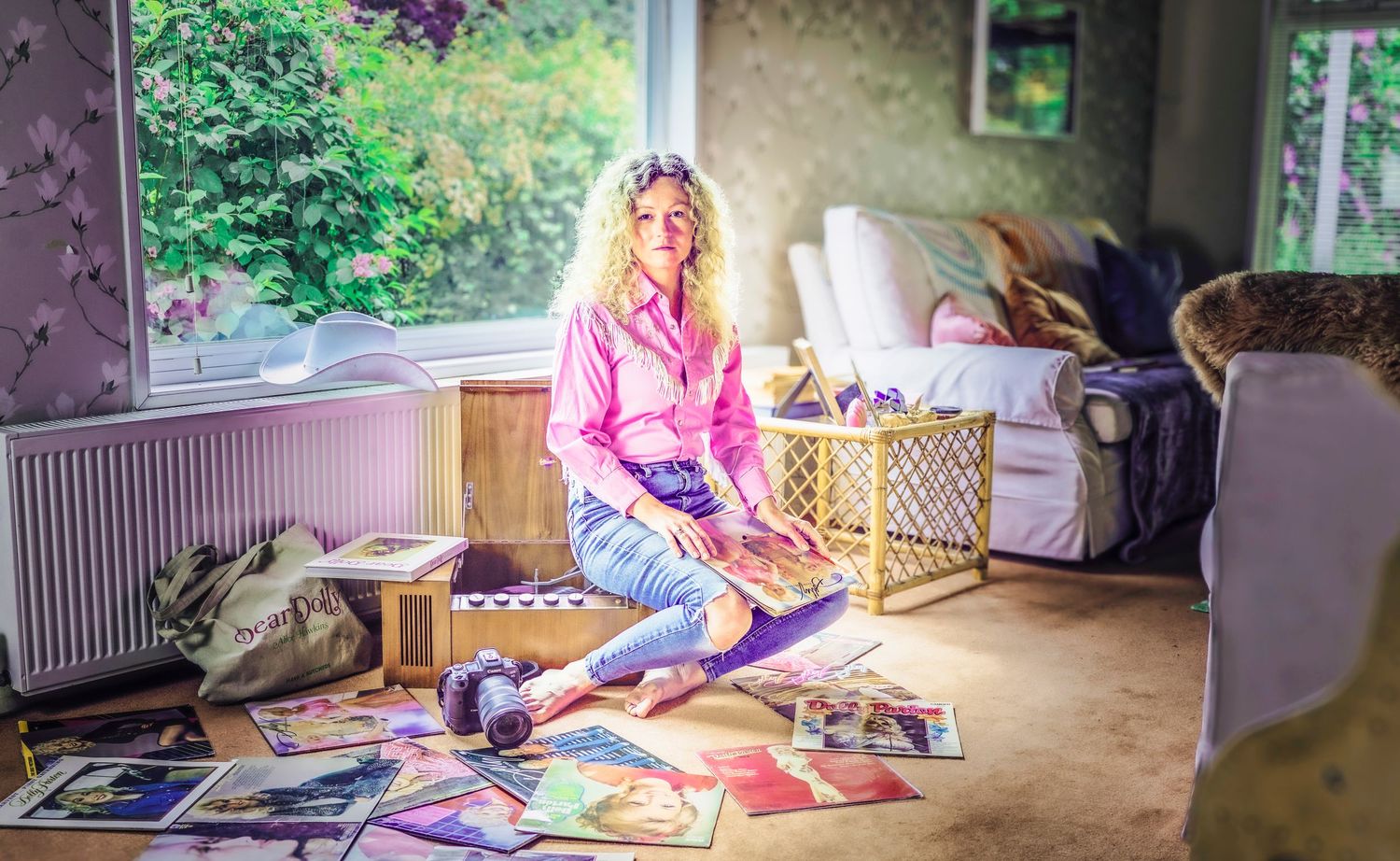
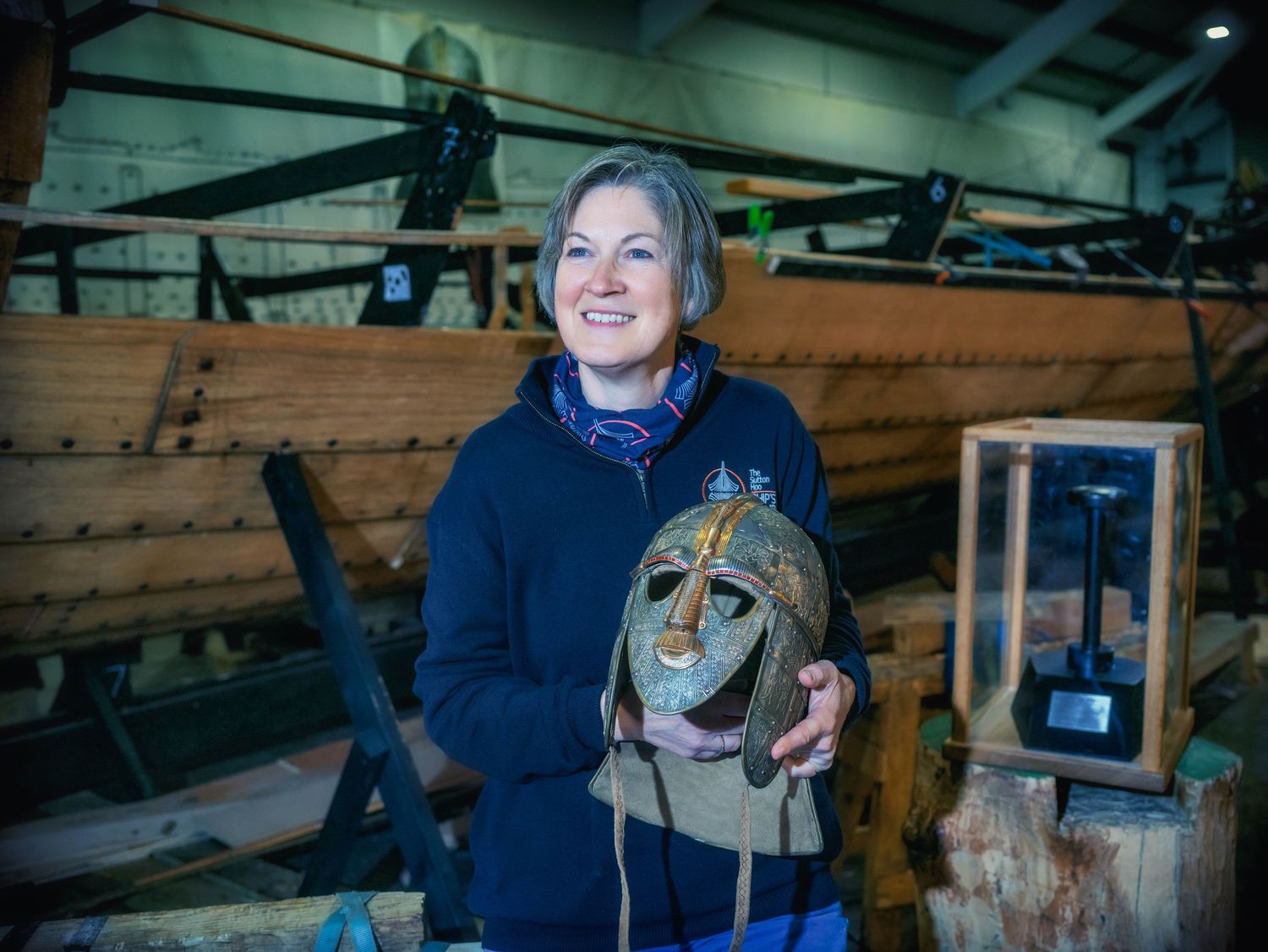
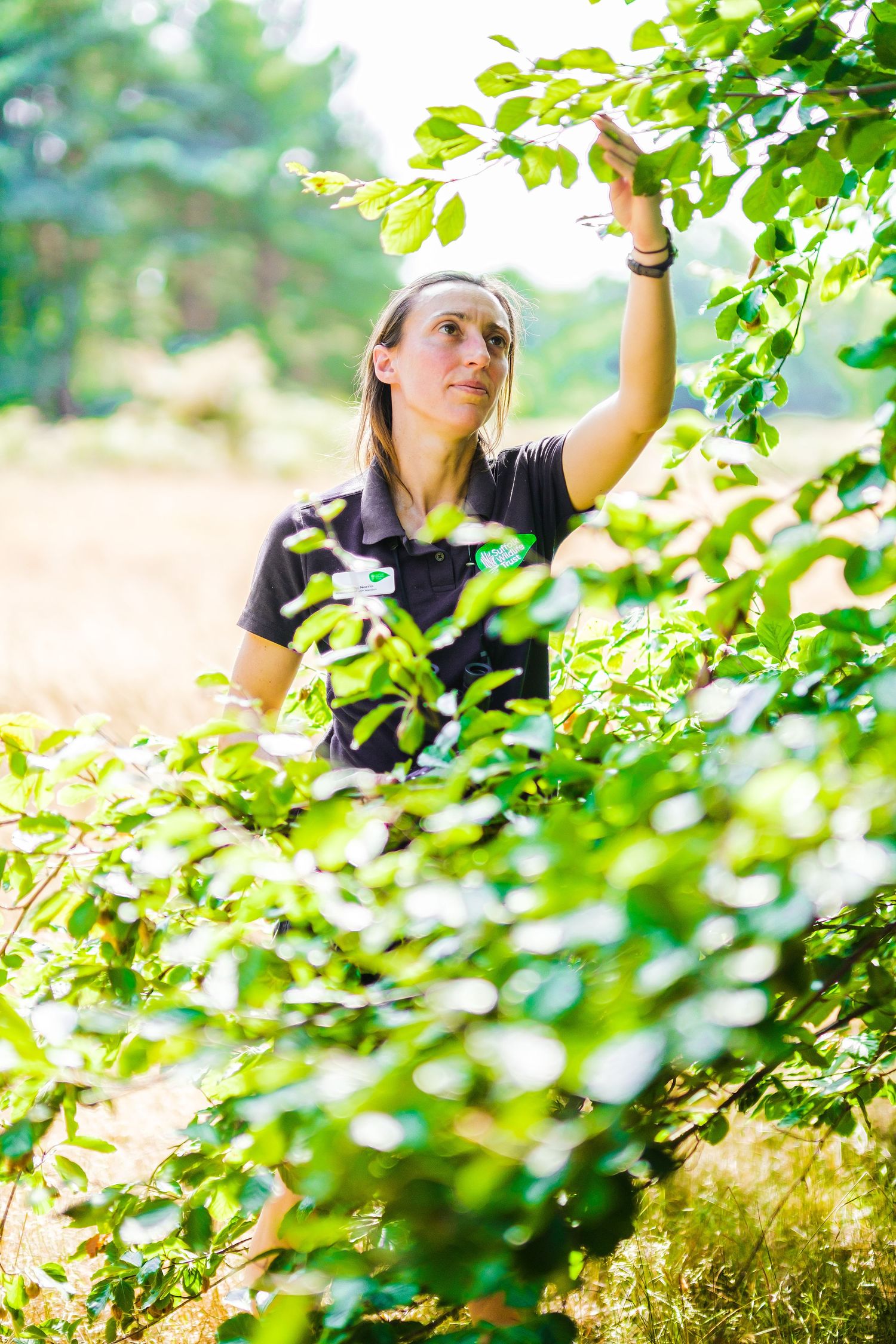
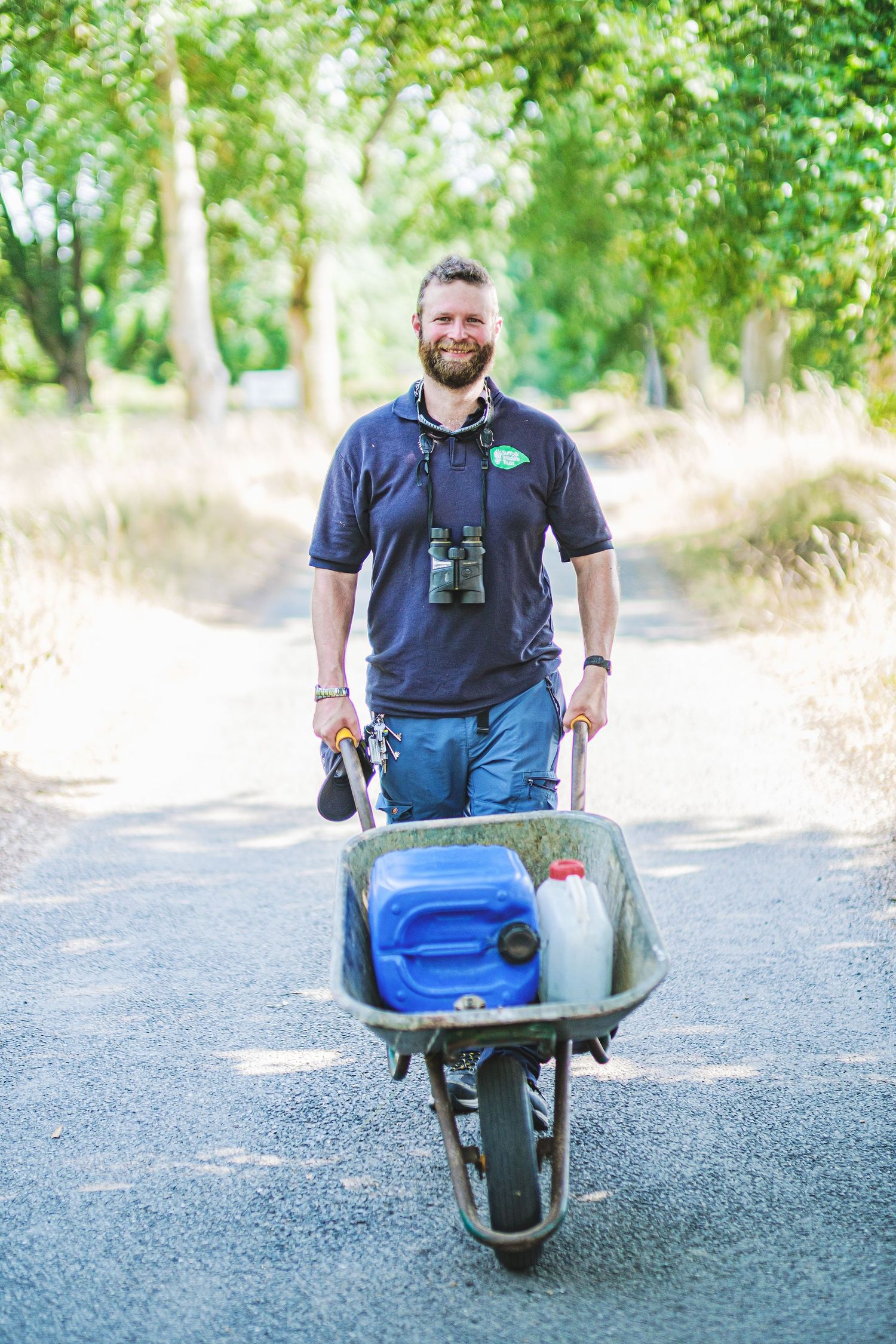
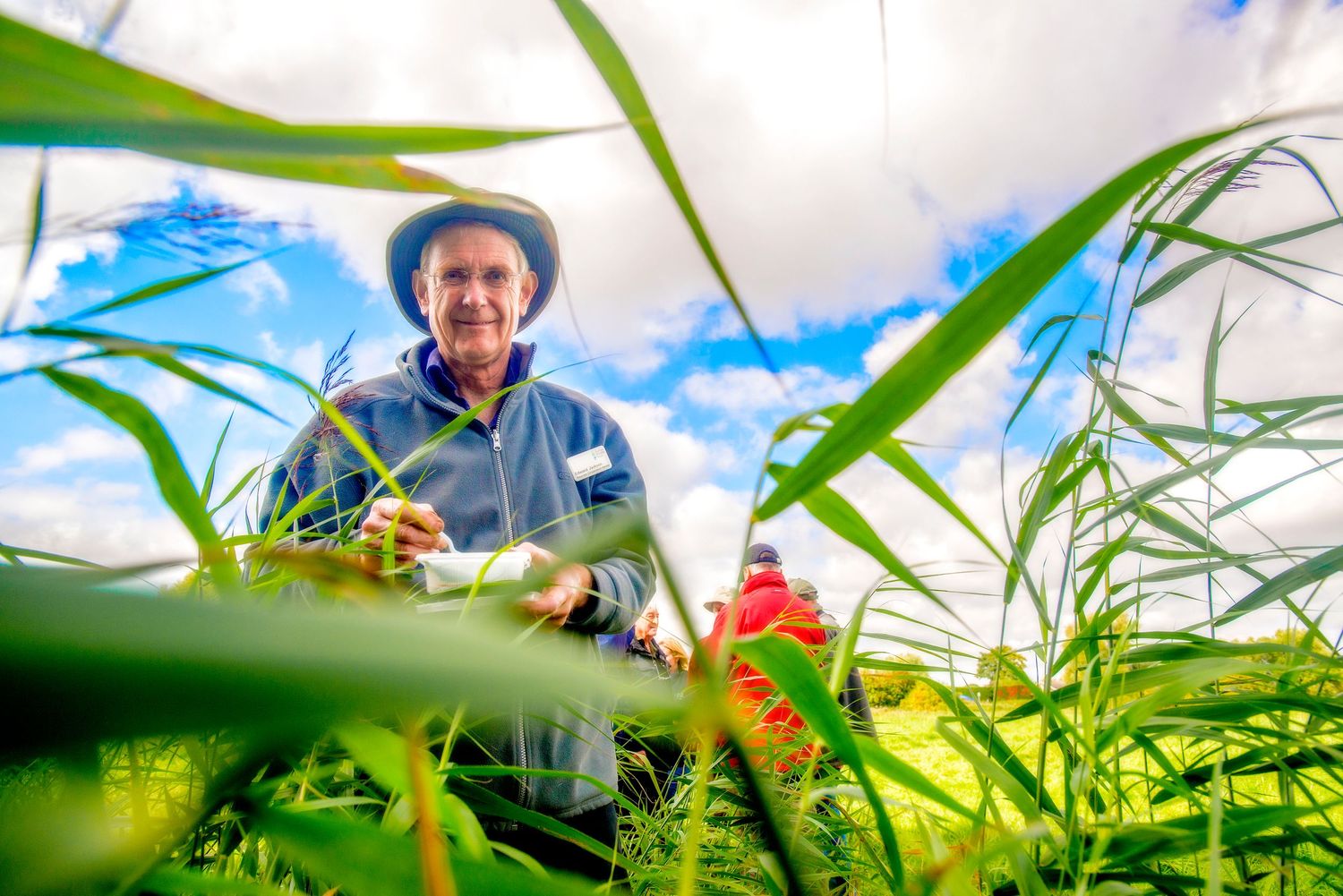
That might mean photographing staff in real environments, documenting projects as they happen, or creating environmental portraits that communicate something about the person rather than simply recording what they look like.
My background in editorial photography has taught me when to direct and when to step back.
I don't want someone who works outdoors every day to suddenly look as though they've been dropped into a corporate photoshoot. I'd rather photograph them doing something familiar, in an environment that makes sense to them.
The aim is to make a portrait that feels like the person, not just a photograph of them.
THE STORY IS WIDER THAN WILDLIFE
One of the things I've particularly enjoyed about working with Suffolk Wildlife Trust is discovering just how broad its work actually is.
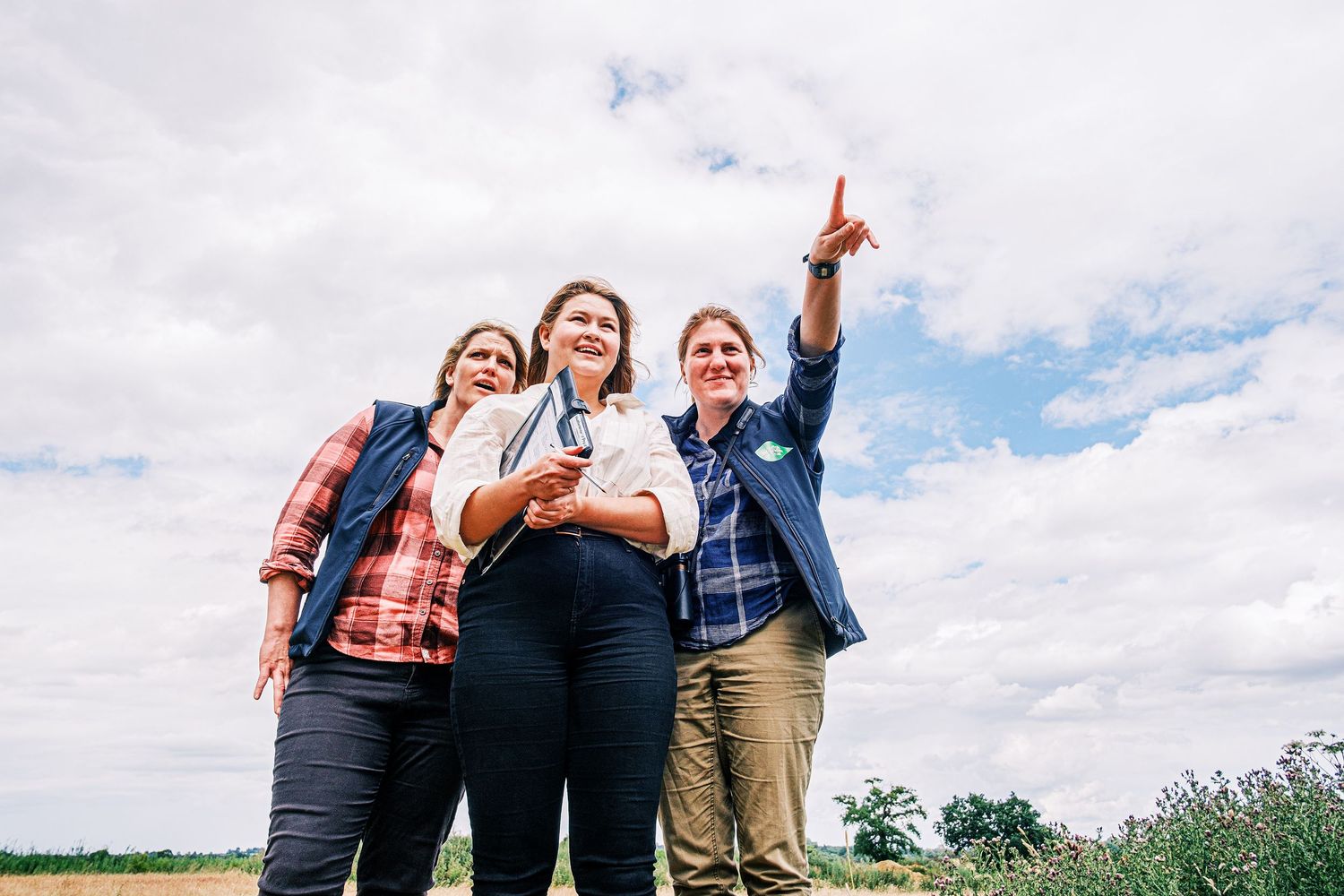
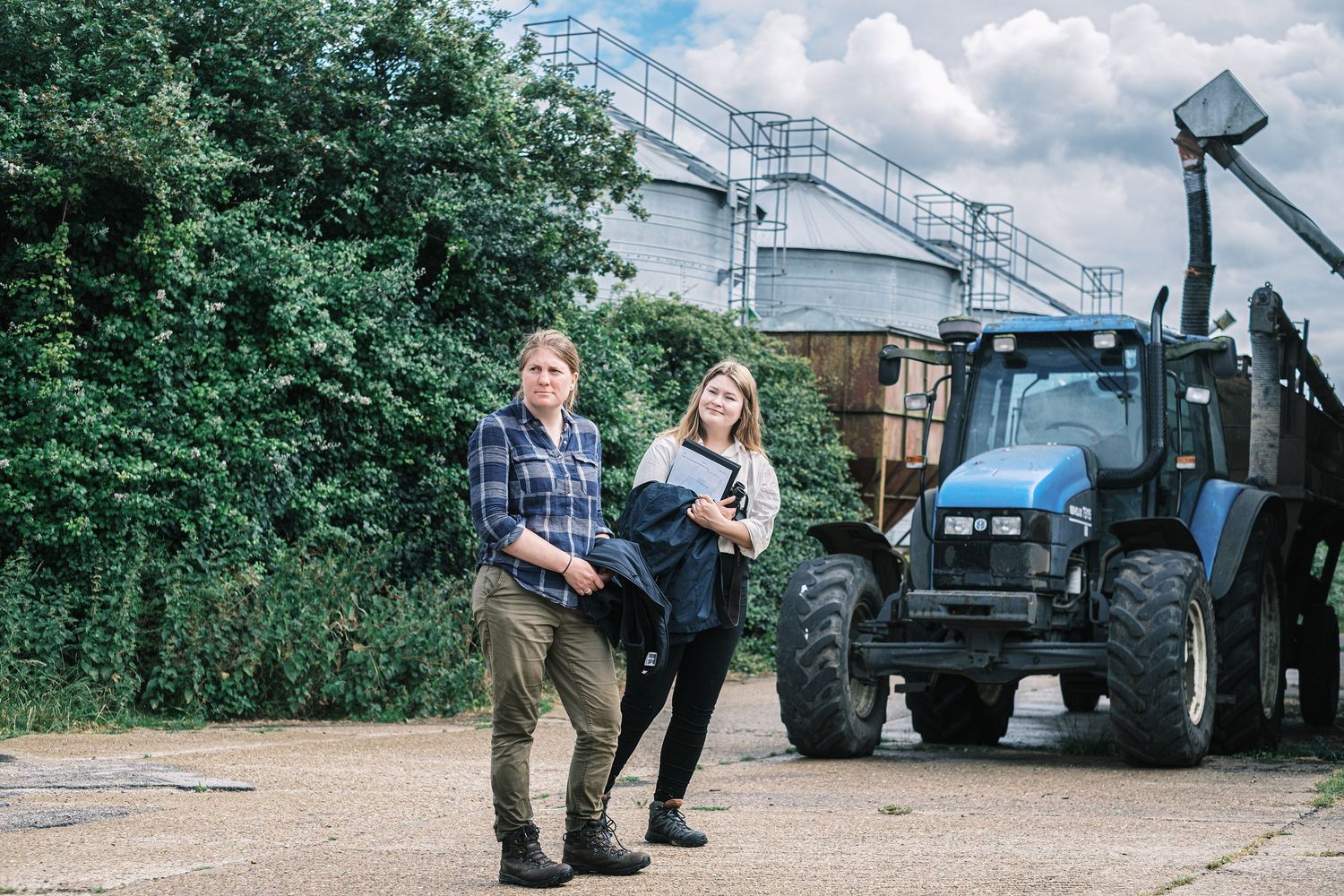
Conservation doesn't stop at the boundary of a nature reserve. It involves farmers, landowners, advisers, communities and organisations making decisions about how the Suffolk countryside is managed and how wildlife can exist alongside agriculture and everyday life.
Photographically, that gives me a much richer story to work with.
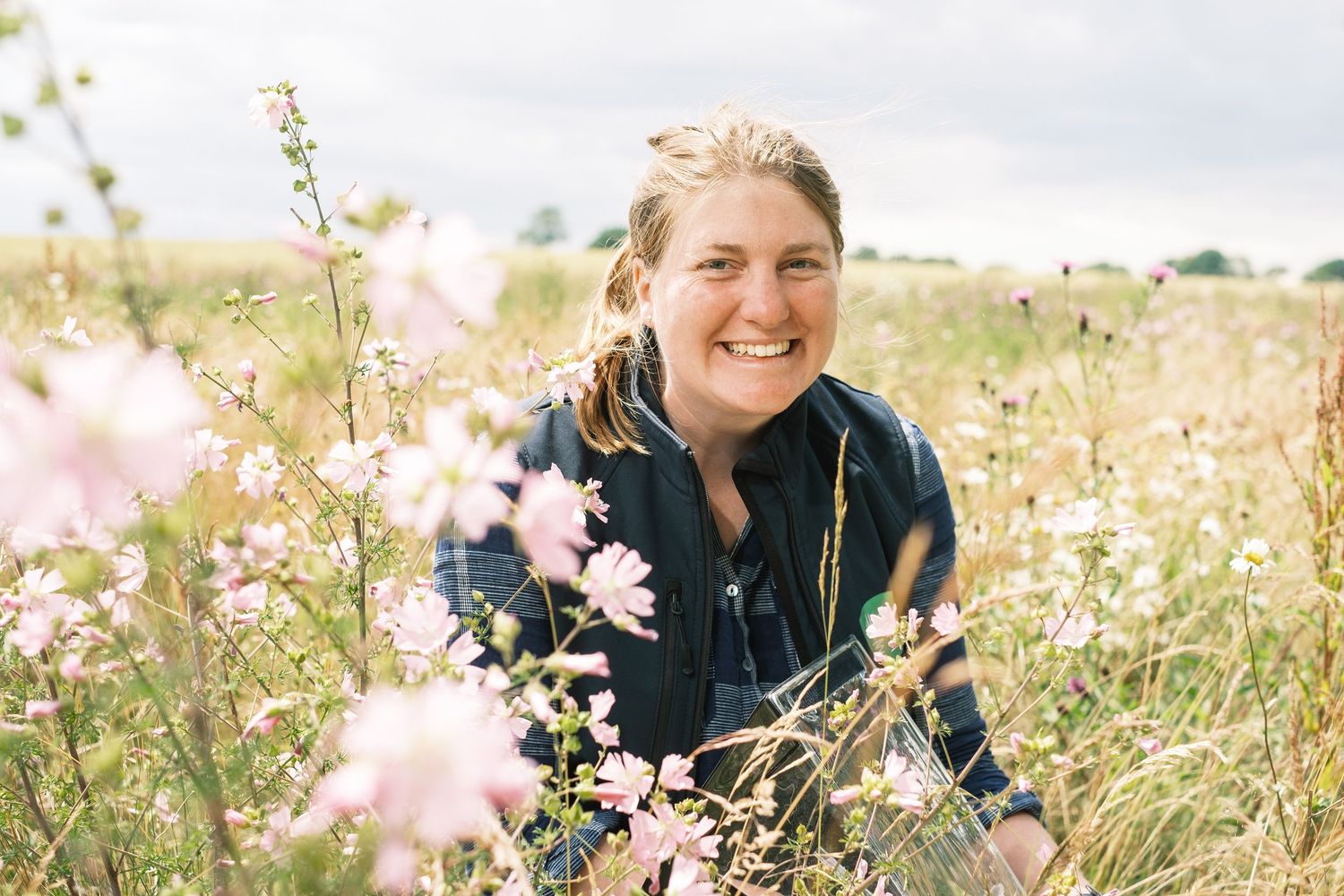
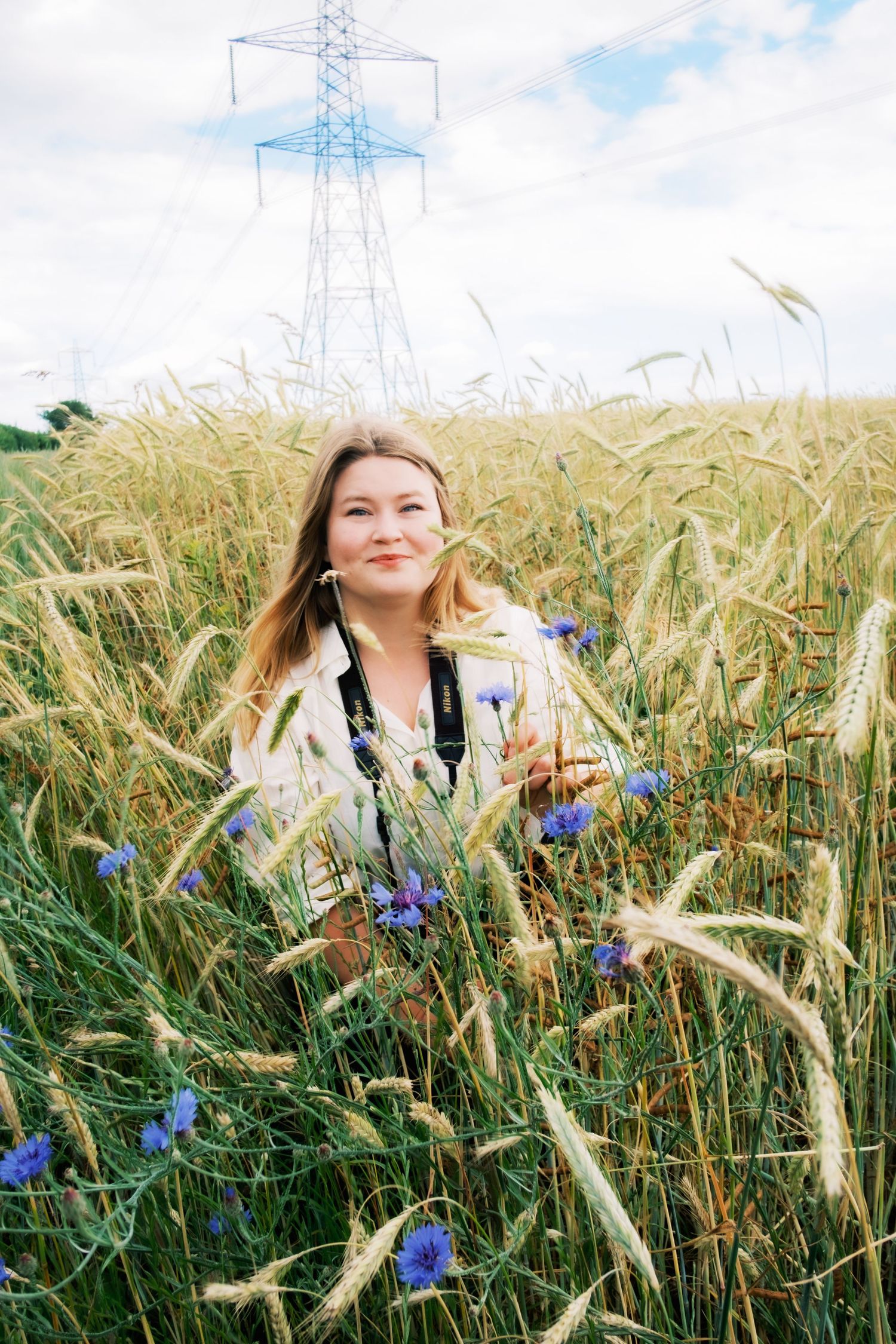
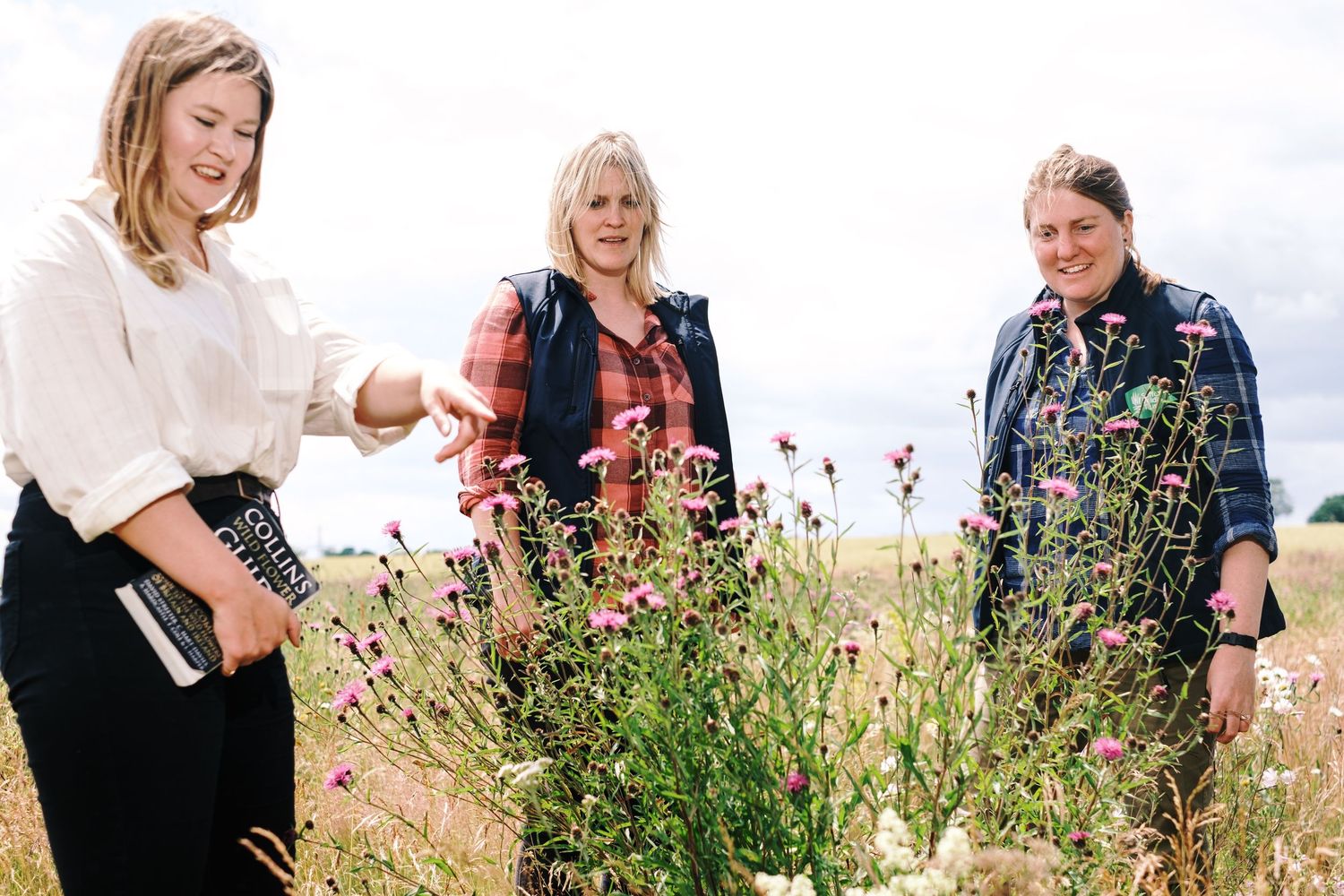
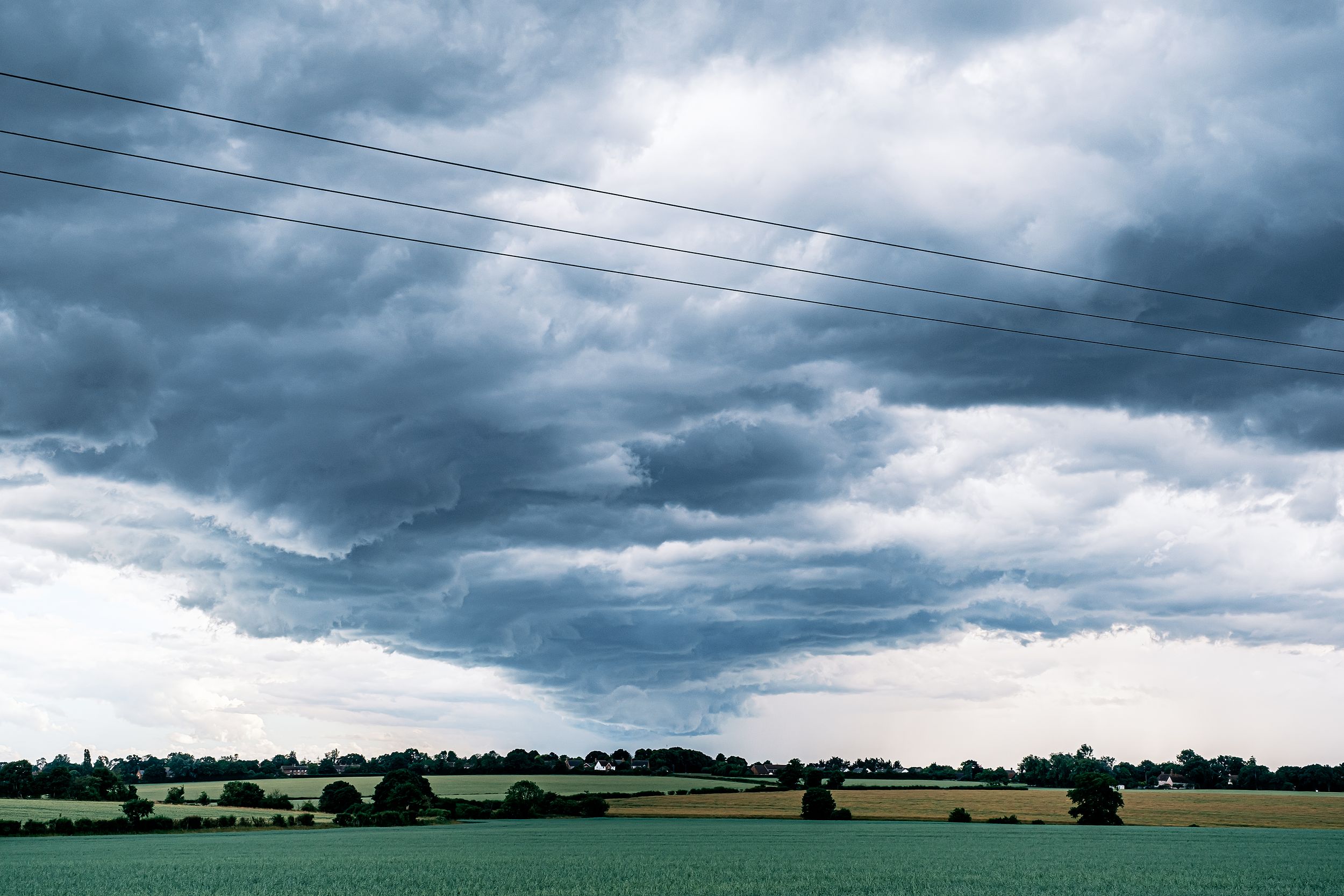
A portrait among wildflowers can sit alongside people examining a habitat or walking through a working farm. Electricity pylons, tractors and agricultural buildings don't necessarily need to be hidden. They're part of the landscape too.
My job isn't to make everything look perfect. It's to find a way of making the reality interesting.
WHY USE THE SAME PHOTOGRAPHER OVER SEVERAL YEARS?
Because over time, a photographer begins to understand the organisation.
You stop arriving cold.
You understand the people, the language, the priorities and, importantly, what the photographs are actually needed for.
A communications team might need environmental portraits today, documentary photography of a project next month, and a completely different set of images for a campaign later in the year.
Those photographs might eventually appear on websites, in magazines, annual reports, PR, social media or marketing campaigns.
For organisations across Suffolk and East Anglia, having a photographer who already understands the business or organisation means every commission doesn't have to begin again from zero.
Over time, you're not simply producing individual photographs.
You're helping to build a visual library of an organisation and the work it does.
That's one of the things I value most about long-term commercial photography relationships.
A RELATIONSHIP BUILT OVER TIME
Looking back through around ten years of photography for Suffolk Wildlife Trust inevitably means looking back through years of change.
Different projects. Different people. Different parts of Suffolk. Different photographic challenges.
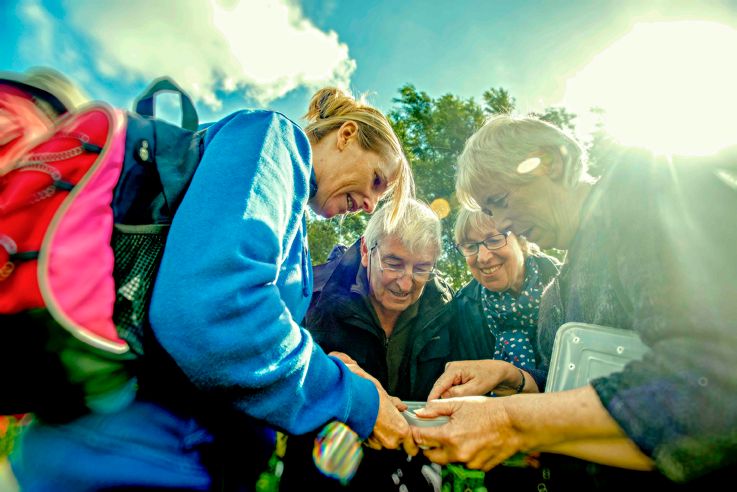
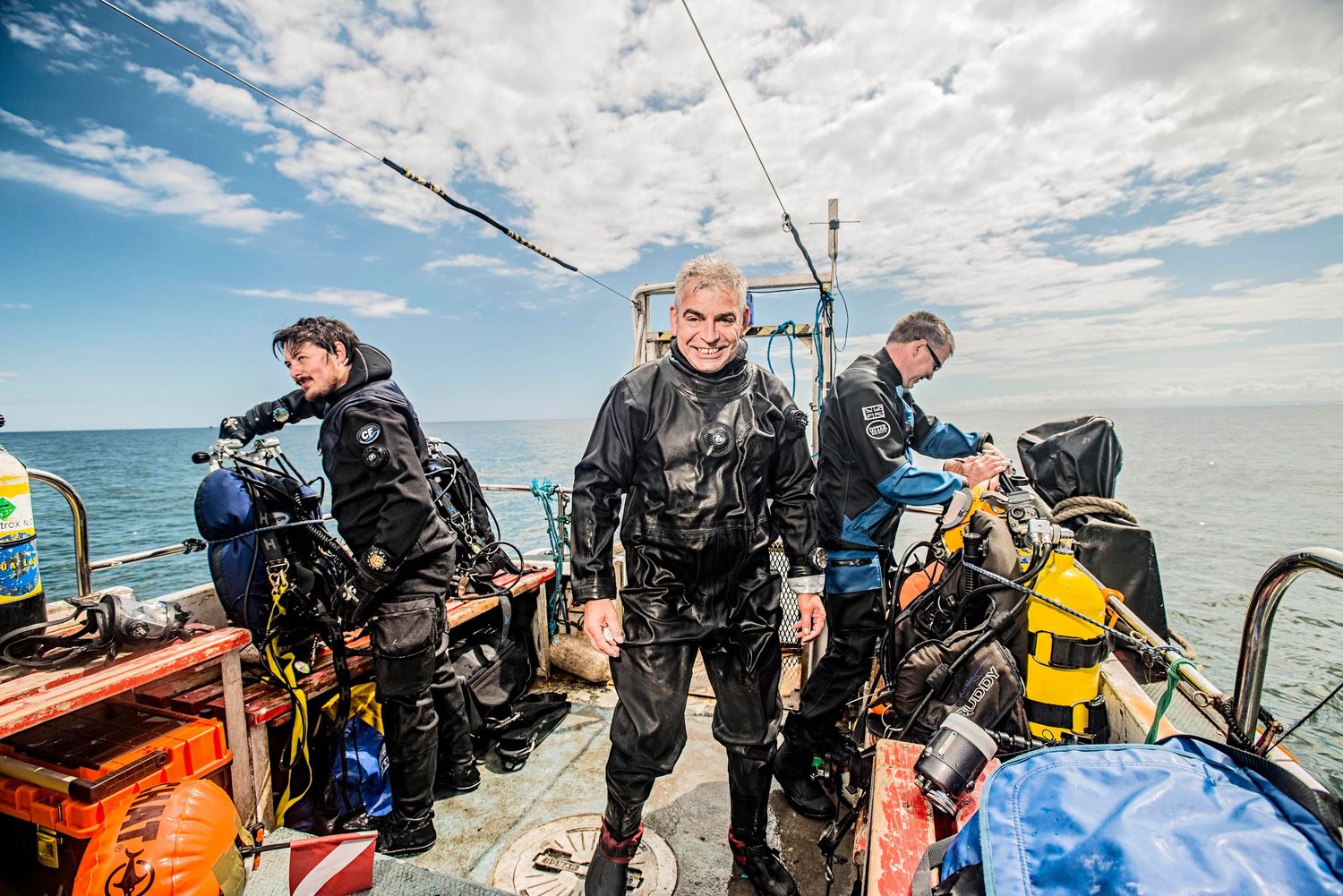
I've photographed community groups, conservation workers, young people, marine projects, volunteers and specialists working in the field. Some assignments have been carefully planned. Others have involved responding quickly to whatever was happening in front of me.
And that's perhaps the real value of a long-term photographic relationship.
I don't need every commission to look the same. I need it to feel as though it belongs to the same organisation.
Consistency doesn't mean repetition. It means understanding what an organisation stands for, then finding new ways of expressing that visually.
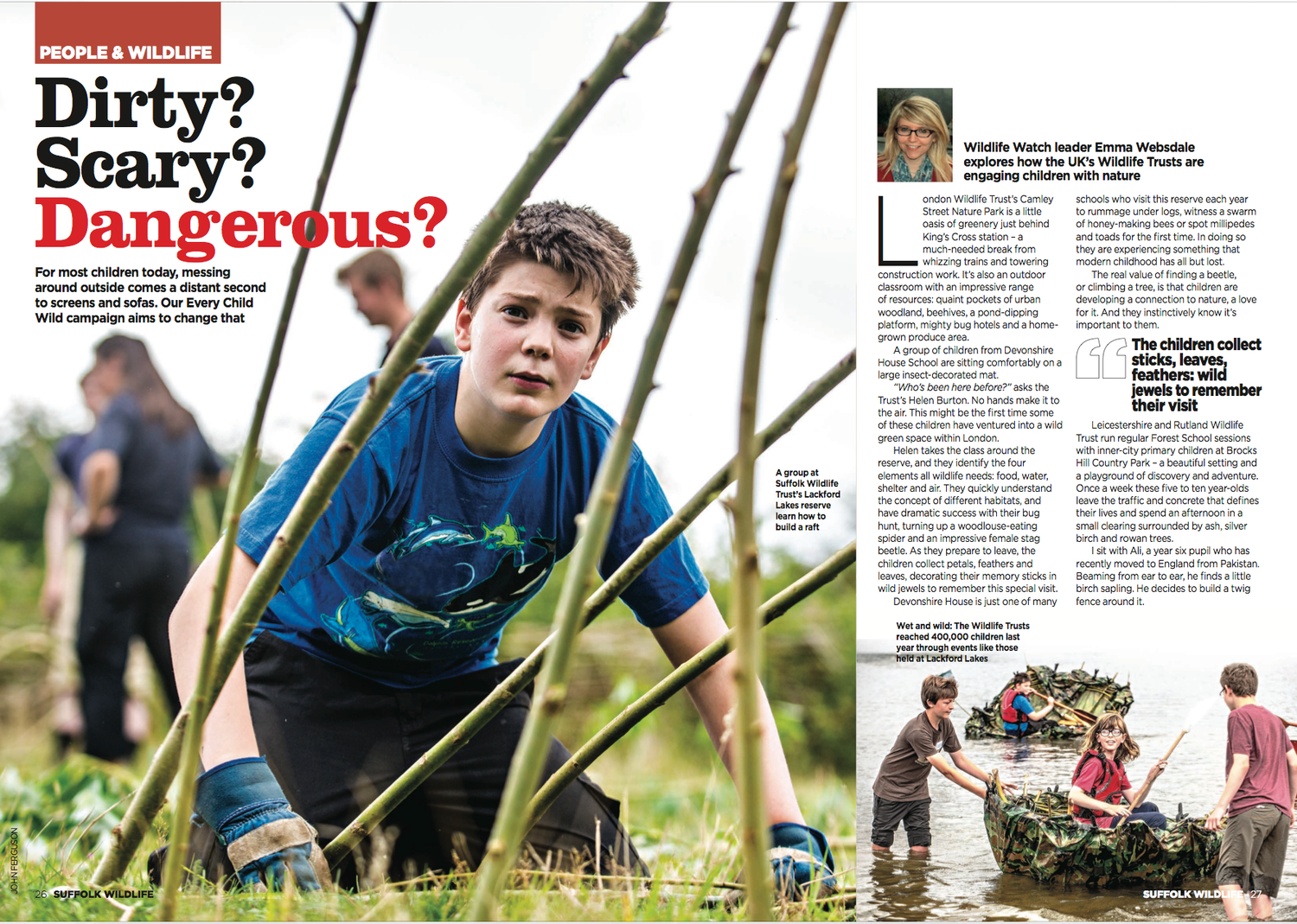
Photography commissioned and published by Suffolk Wildlife Trust.
COMMERCIAL PHOTOGRAPHY FOR SUFFOLK ORGANISATIONS
The best commercial photography relationships, for me, are rarely about one photoshoot.
They're about understanding an organisation well enough to know when to direct, when to observe and when to simply get out of the way and let something happen.
After around a decade photographing Suffolk Wildlife Trust, the archive contains far more than a collection of individual assignments. Together, the photographs tell a much bigger story about people, place and our relationship with the natural world.
I'm based in Ipswich and work with businesses, charities and organisations across Suffolk, East Anglia, London and throughout the UK, creating commercial photography, environmental portraits and documentary imagery designed to remain useful long after the original commission.