Last week I needed help from my website company. One question and just five minutes of a real person's time.
Instead, I got a bot. Then a menu. Then another bot pretending to be a person, asking me to describe my issue in a few words before looping me back to the start.
Forty minutes later, I still had my problem. I'd also lost my patience, my afternoon, and any goodwill I had left for that company.
This is where business lives now. Scam callers. Unrecognised numbers. Junk mail dressed up as something legitimate, all of it built for one purpose: get your money, get out. No wonder people don't pick up the phone anymore. We've trained an entire generation to expect that answering it is a mistake.
Why does a phone call matter before a business portrait?
Here in Ipswich, and with clients who travel in from across Suffolk, London, and further afield, I refuse to automate the part that matters most.
Before I ever lift a camera for a new client, I call them. Not a form. Not an email chain. An actual phone call, no script, just two people talking.
I ask about their business, sure. But I ask about their Sunday mornings too. Their nerves about being photographed. The version of themselves they're worried the camera will catch instead of the one they want the world to see. Fifteen minutes in, most people have told me something they didn't plan to.
That's the whole point.
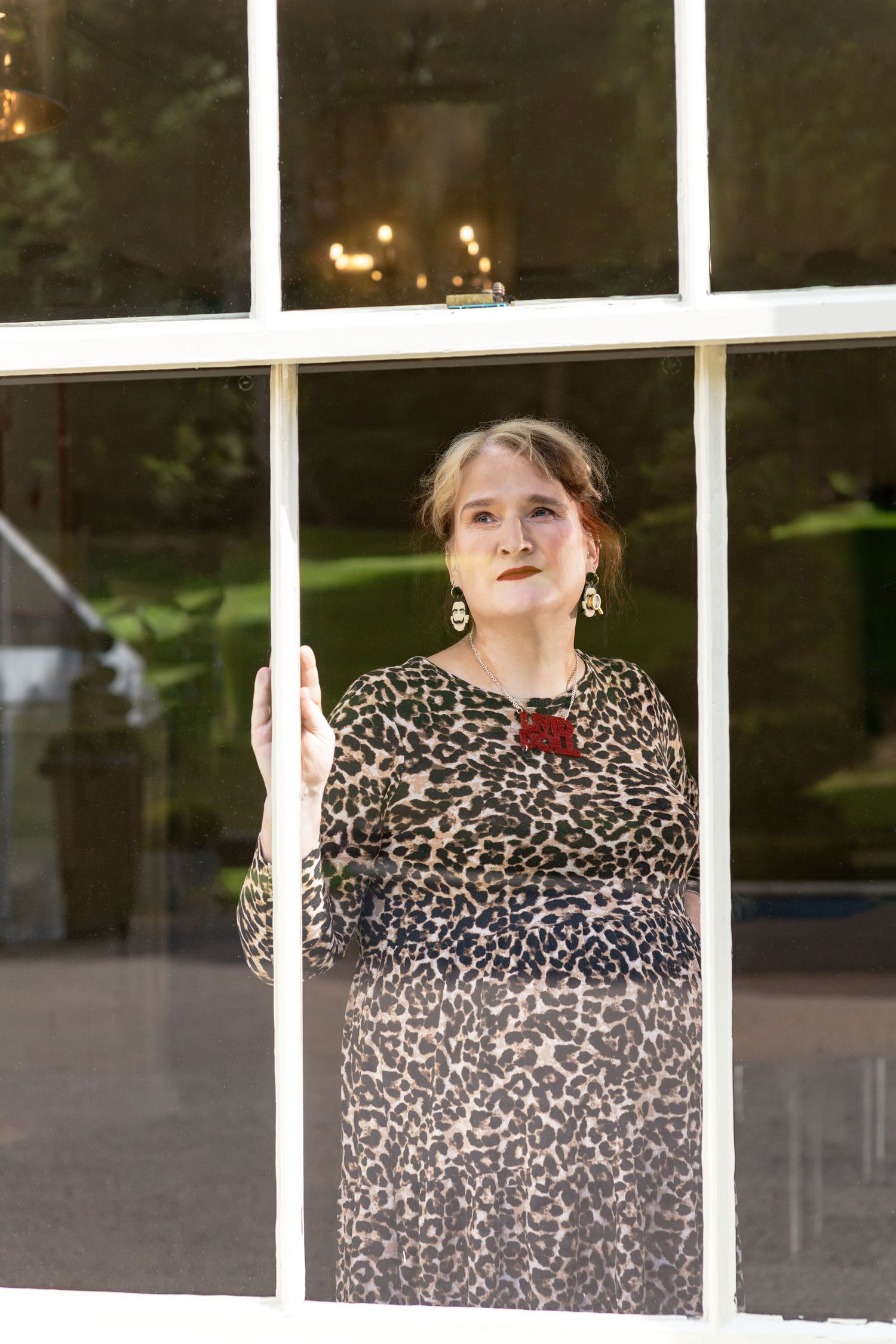
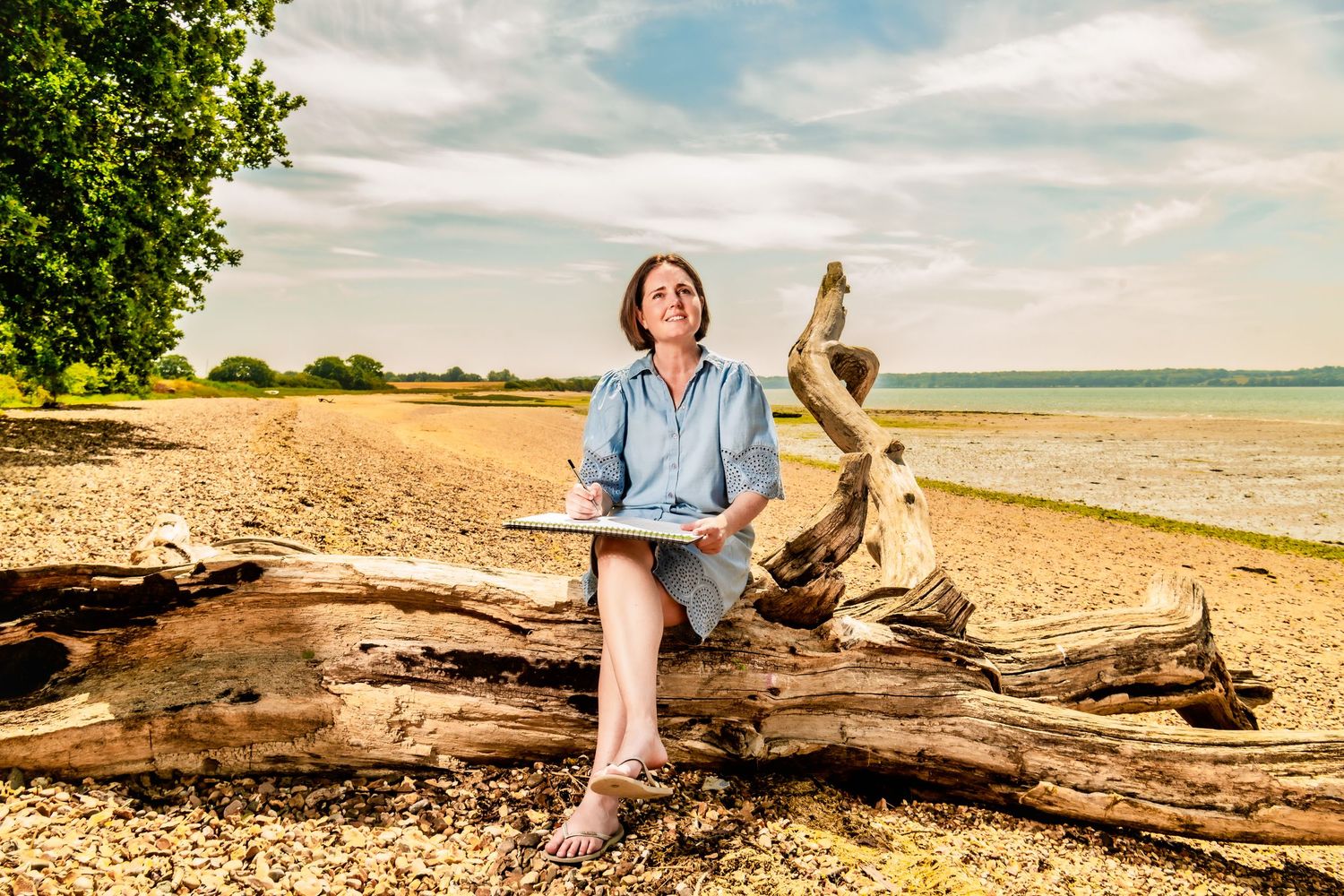
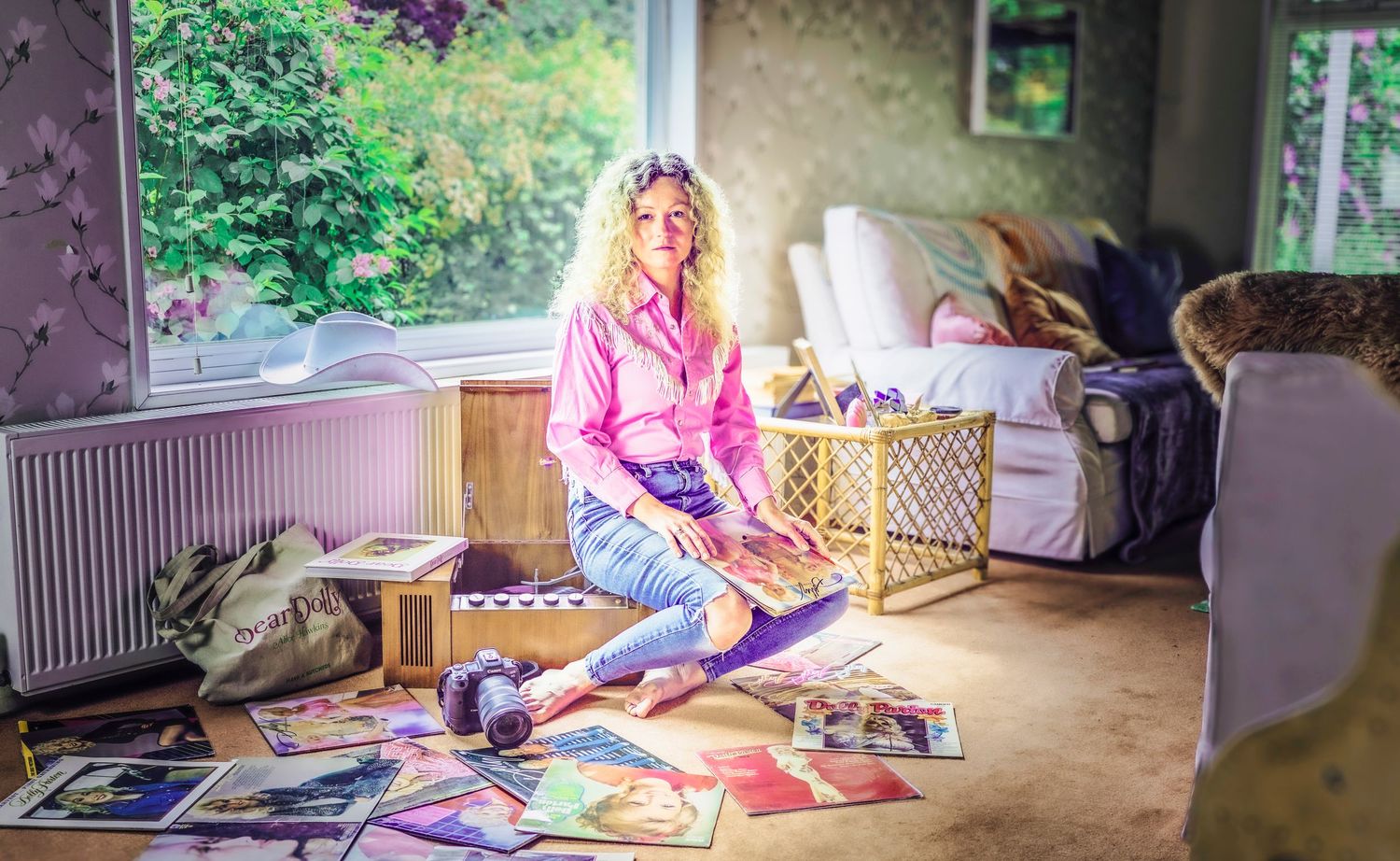
By the time we're standing in a room together, camera between us, they've already been heard once. They're not meeting a stranger with equipment. They're meeting someone who already knows their daughter starts university in September, or that they've been dreading this shoot since their assistant booked it three weeks ago.
What actually happens during a portrait session in Ipswich?
The photograph everyone wants is the one taken the second after somebody stops performing. You cannot get that second from someone who still thinks you're a threat. You get it from someone who's already stopped bracing for the call to be a sales pitch, because it wasn't one.
Look at the maths plainly. A ten-minute phone call costs me ten minutes. A stiff, guarded, over-posed portrait costs me the shoot, the retouch time, and very often the client. Listening isn't the soft option. It's the efficient one.
Why have most businesses stopped listening to their clients?
Most businesses have quietly decided that listening doesn't scale. So they've replaced it with chatbots, drip campaigns, and forms that ask you to select your feelings from a dropdown menu. It scales beautifully. It also builds nothing anyone remembers.
I'm not interested in scaling past the conversation. I'm interested in what happens in it.
Why do the first seven seconds of a photograph matter more than the shoot itself?
Here's what I've learned after forty years of this: the listening only solves half the problem. The photograph has to do the rest of the work on its own.
Once I put the camera down, that image goes out into rooms you'll never stand in. It sits on a homepage while a stranger decides whether to email you or close the tab. It sits at the top of your LinkedIn profile while someone scrolls past 200 others that morning. Nobody on the other end gets a phone call first. All they get is seven seconds, and they'll have formed an opinion of you before they've read a single word of your bio.
That's the part most people never think about. You can be the best listener in Suffolk and still hand someone a photograph that undoes all of it in seven seconds flat.
Get the free guide: The First Seven Seconds
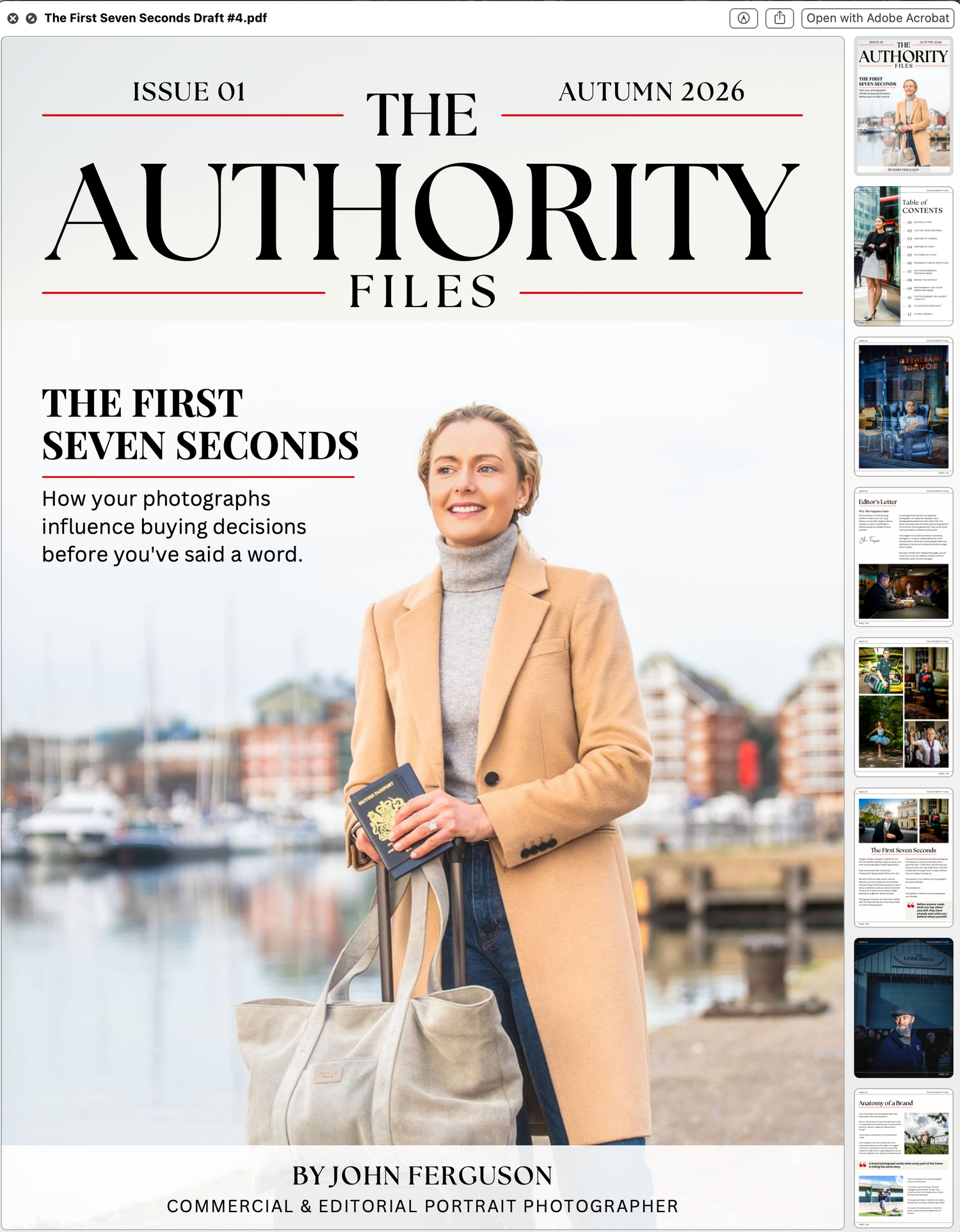
I wrote this guide I wish every client had before they ever booked a shoot with anyone: The Authority Files, Issue 01, The First Seven Seconds. It's free, it's short, and it walks through exactly how your photographs are already influencing buying decisions before you've said a word, for better or worse.
Download it, read it before your next headshot, next launch, next rebrand. Then decide if the photo currently representing you is actually listening for you, or quietly working against you.
Grab your free copy here:
Get the seven seconds right, and the rest of the conversation looks after itself.
Frequently asked questions
Does John Ferguson only photograph clients in Ipswich?
No. The studio is based in Ipswich, Suffolk, but work extends nationally and internationally across roughly 60 countries. The phone call happens whether the client is five minutes away or five time zones away.
How long does a commercial portrait session actually take? A typical session runs half a day once the pre-shoot call has already done its job. The call itself is usually 15 to 20 minutes.
What kind of businesses is this approach best suited to? Anyone who relies on being trusted before they're met: solicitors, financial advisors, founders, consultants, and any business whose website photo is doing the introducing before a conversation ever happens.