Modern butlers are nothing like the Carson myth people keep buying.
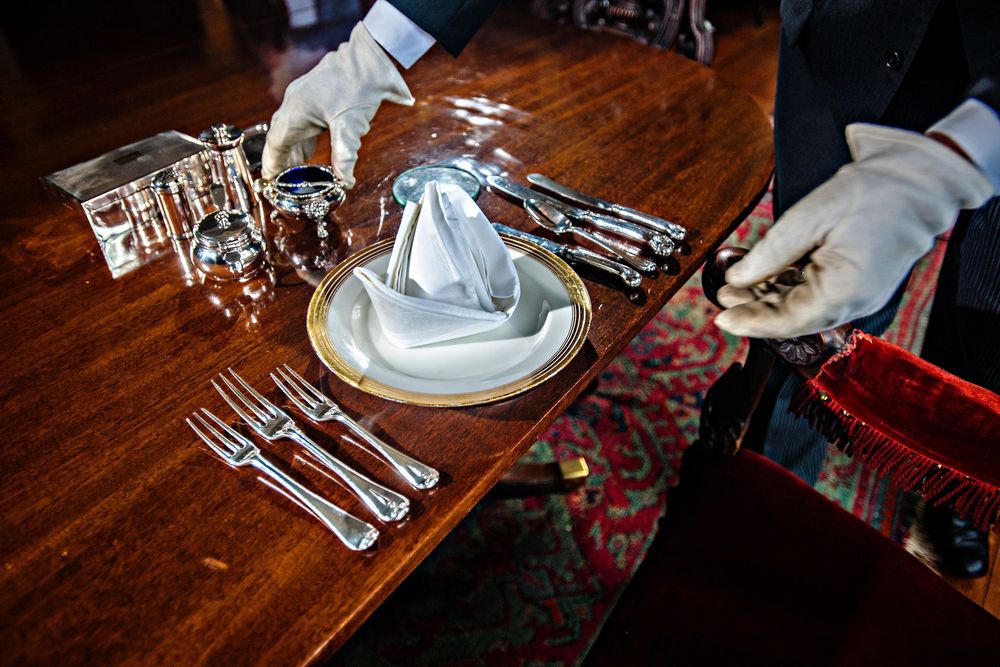
Yes, Downton Abbey gave us a beautifully starched version of service, silver polish, hushed corridors, and a man who looked like he was born holding a tray. Real life is sharper, faster, and far less romantic. A modern butler is part logistics, part psychology, part crisis management, and occasionally part dog walker. Reality.
That’s why I wanted to get close enough to hear it properly, without the costume drama filter. Not the public-facing version, the real working version, the one that happens through the service entrance. Discretion.
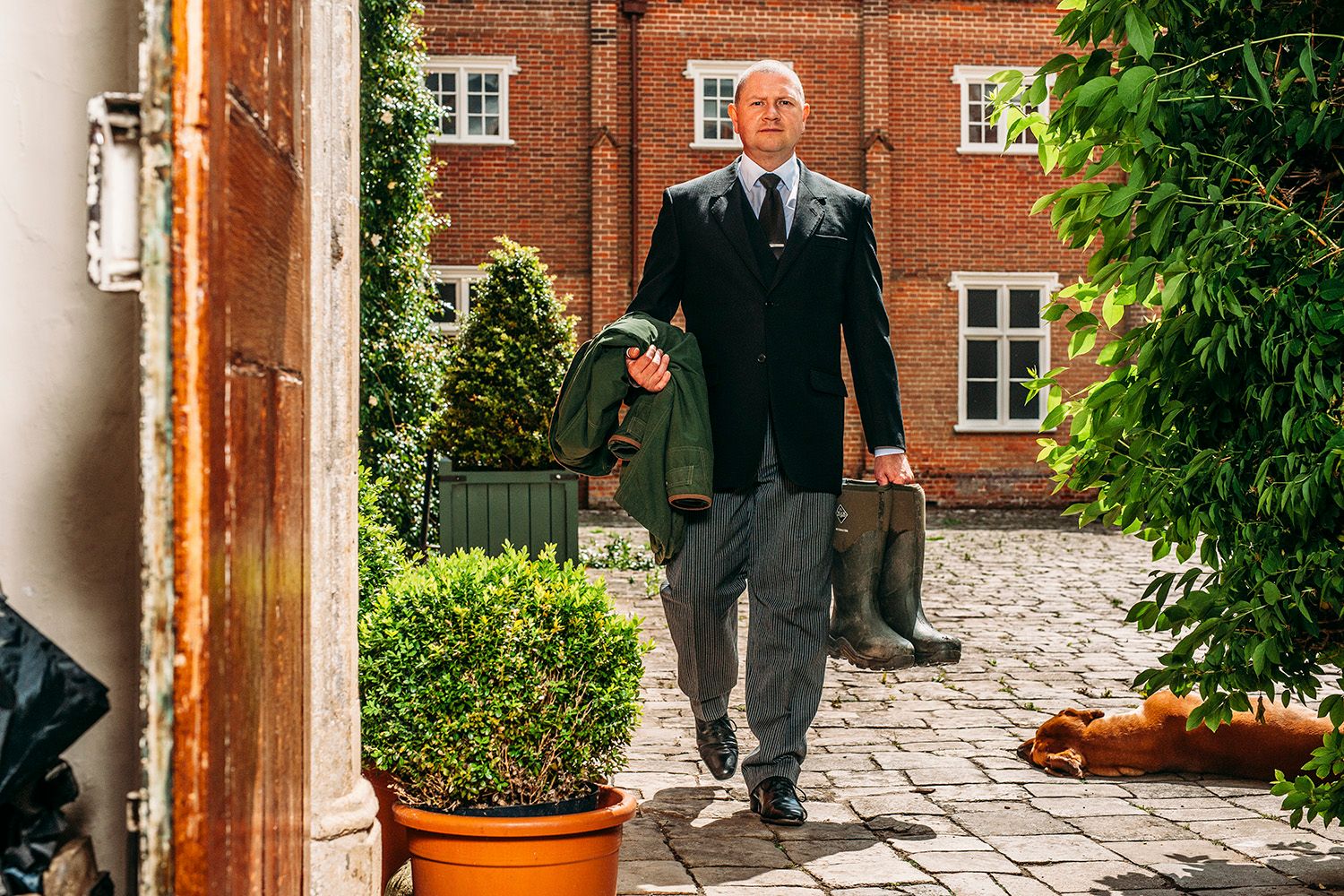
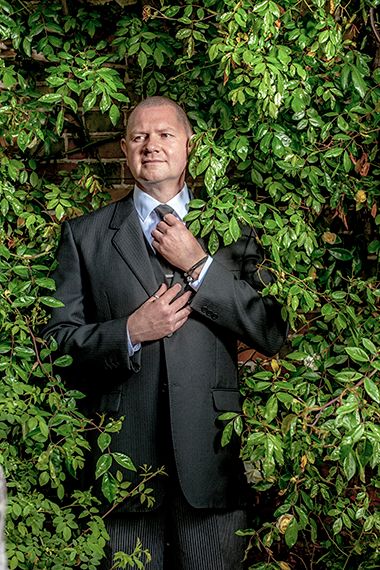
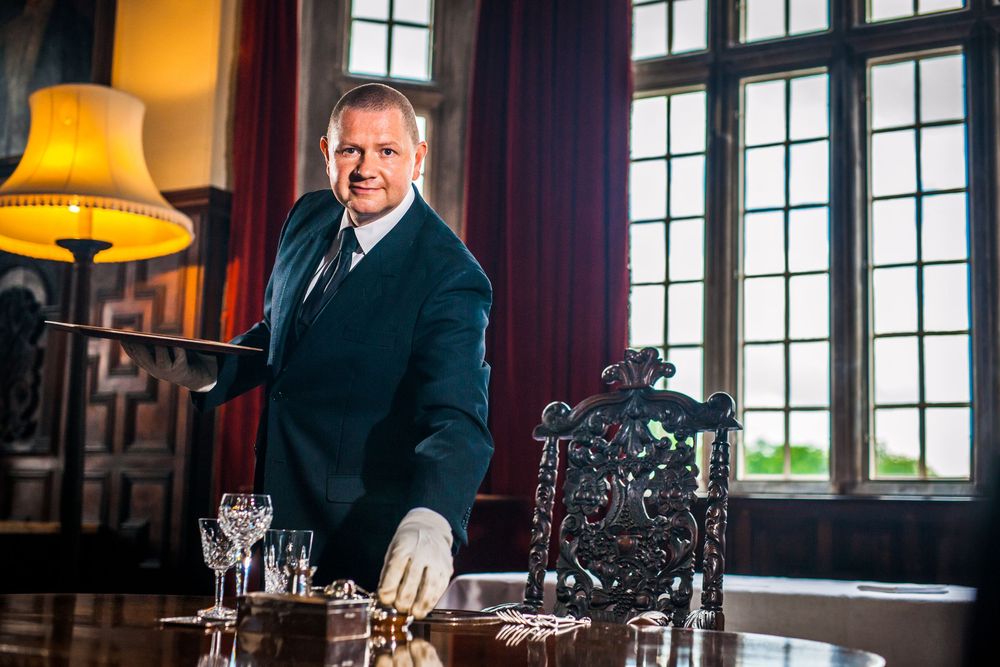
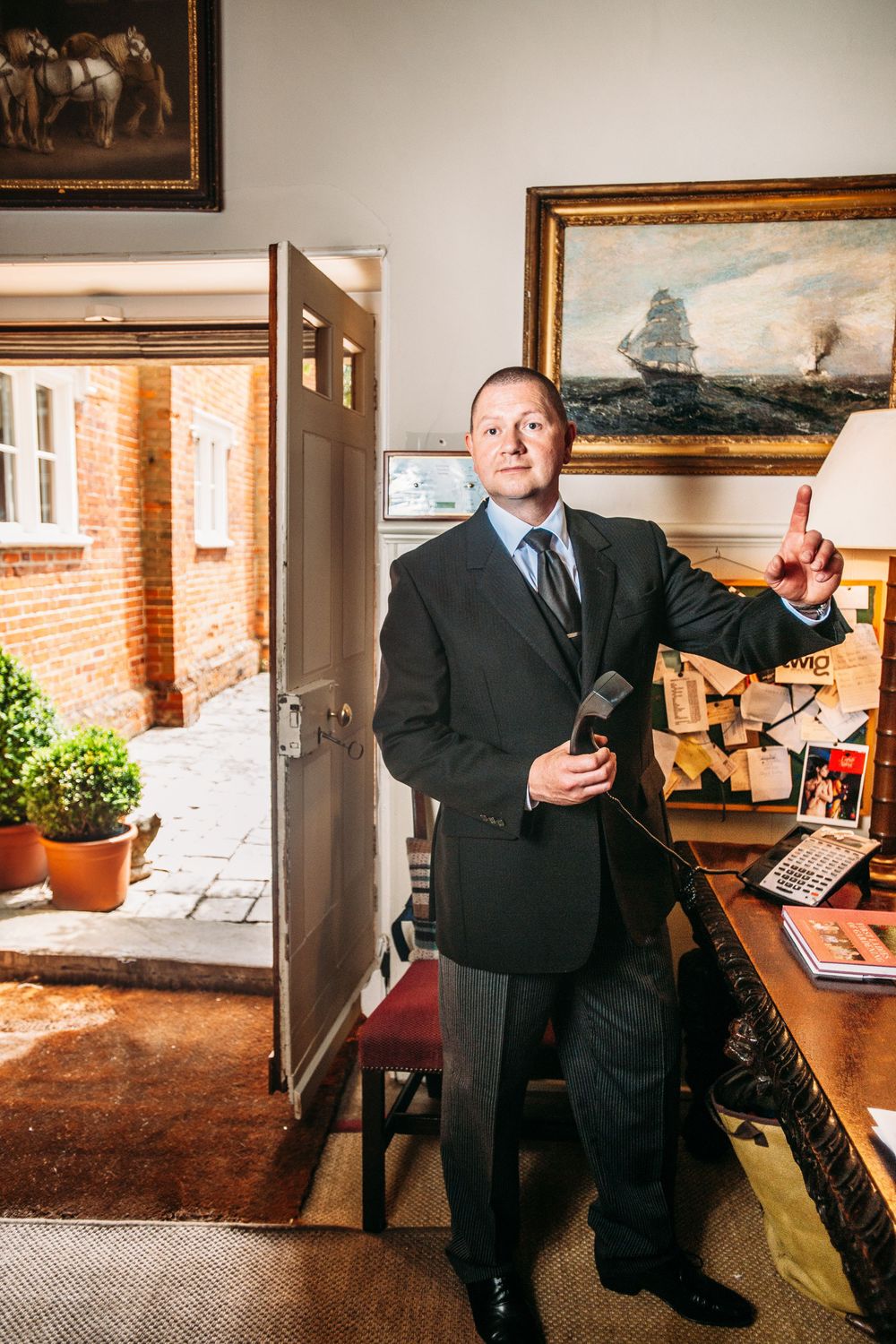
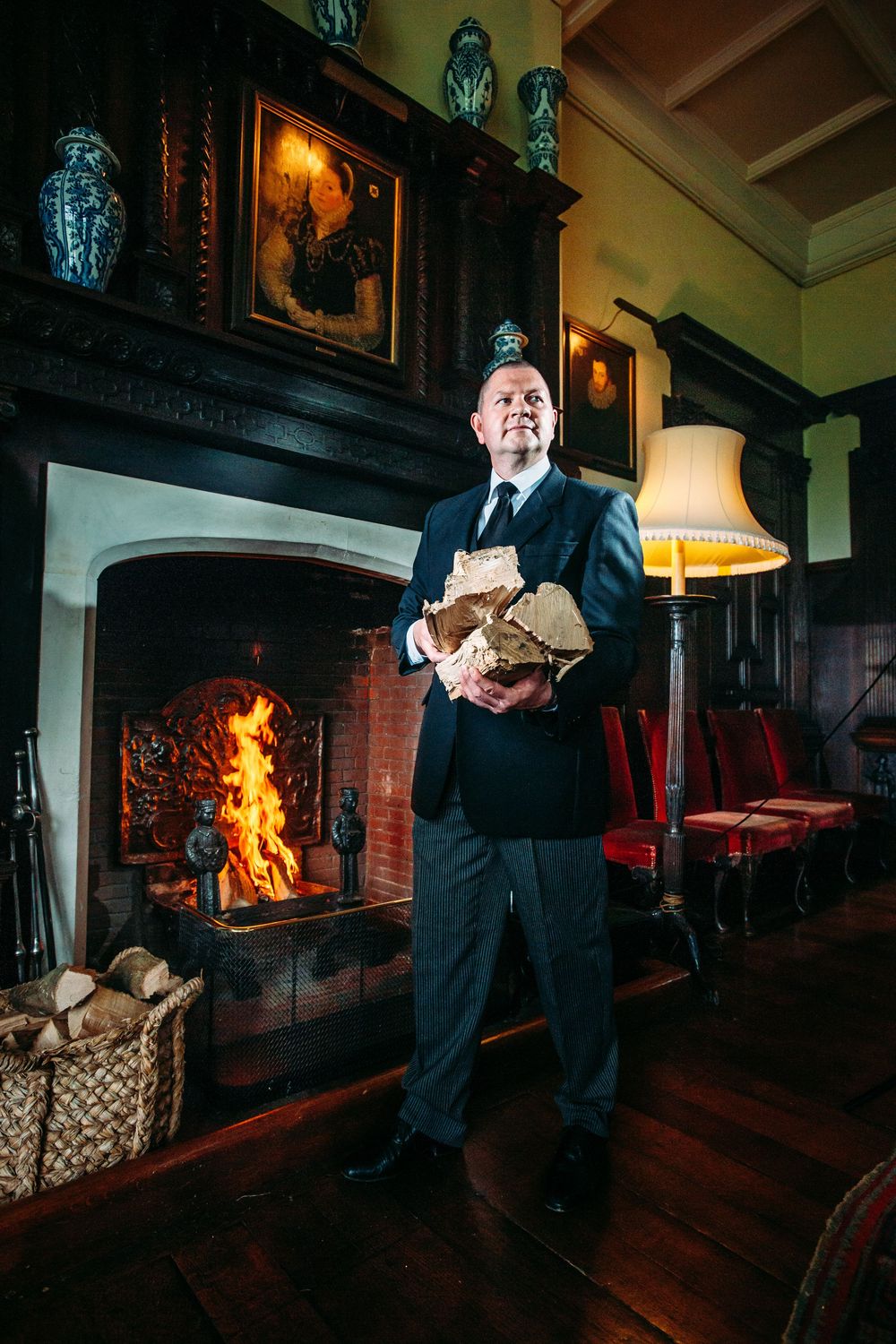
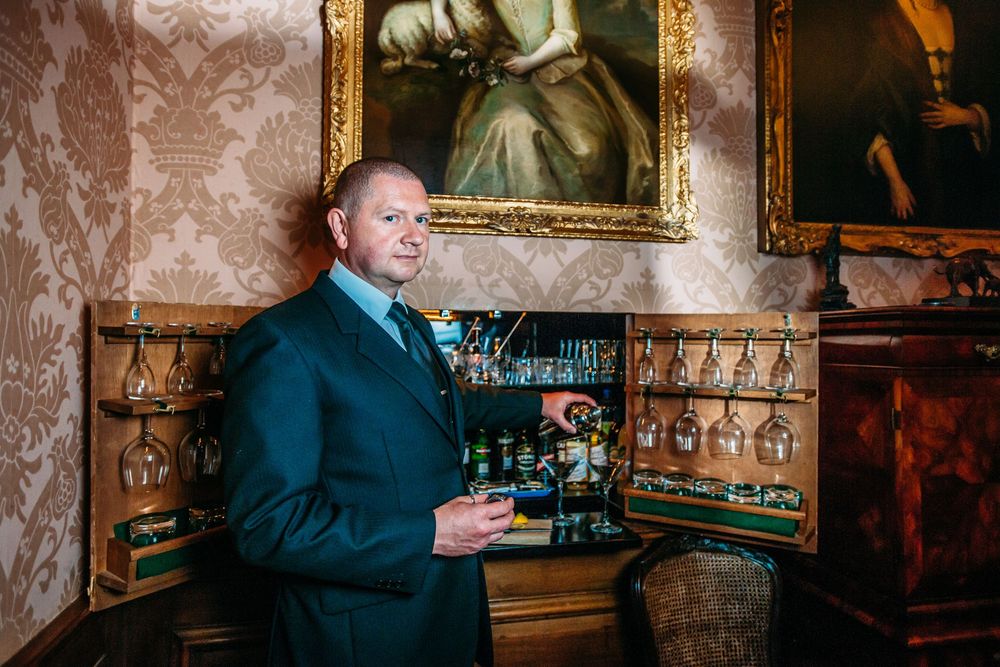
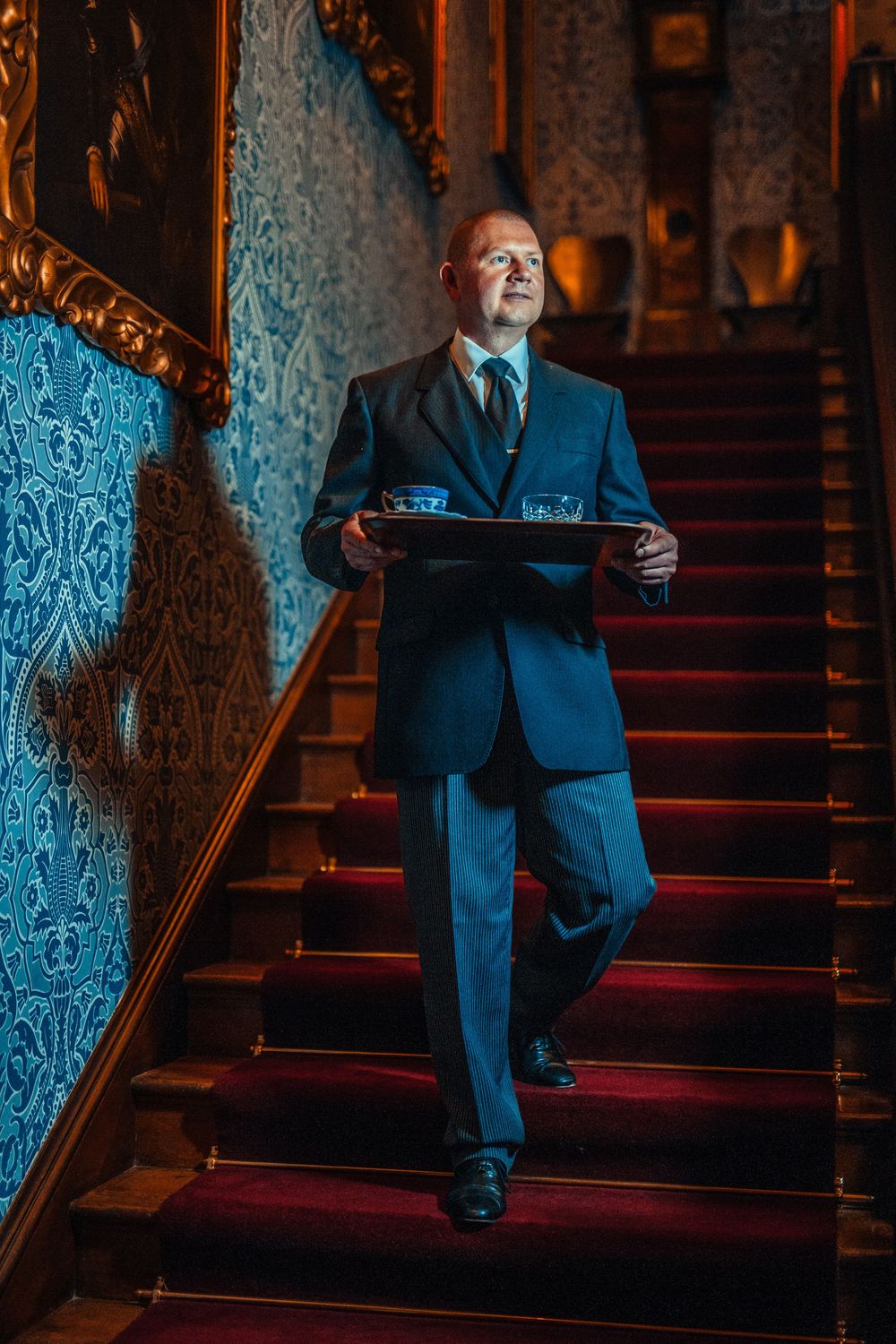
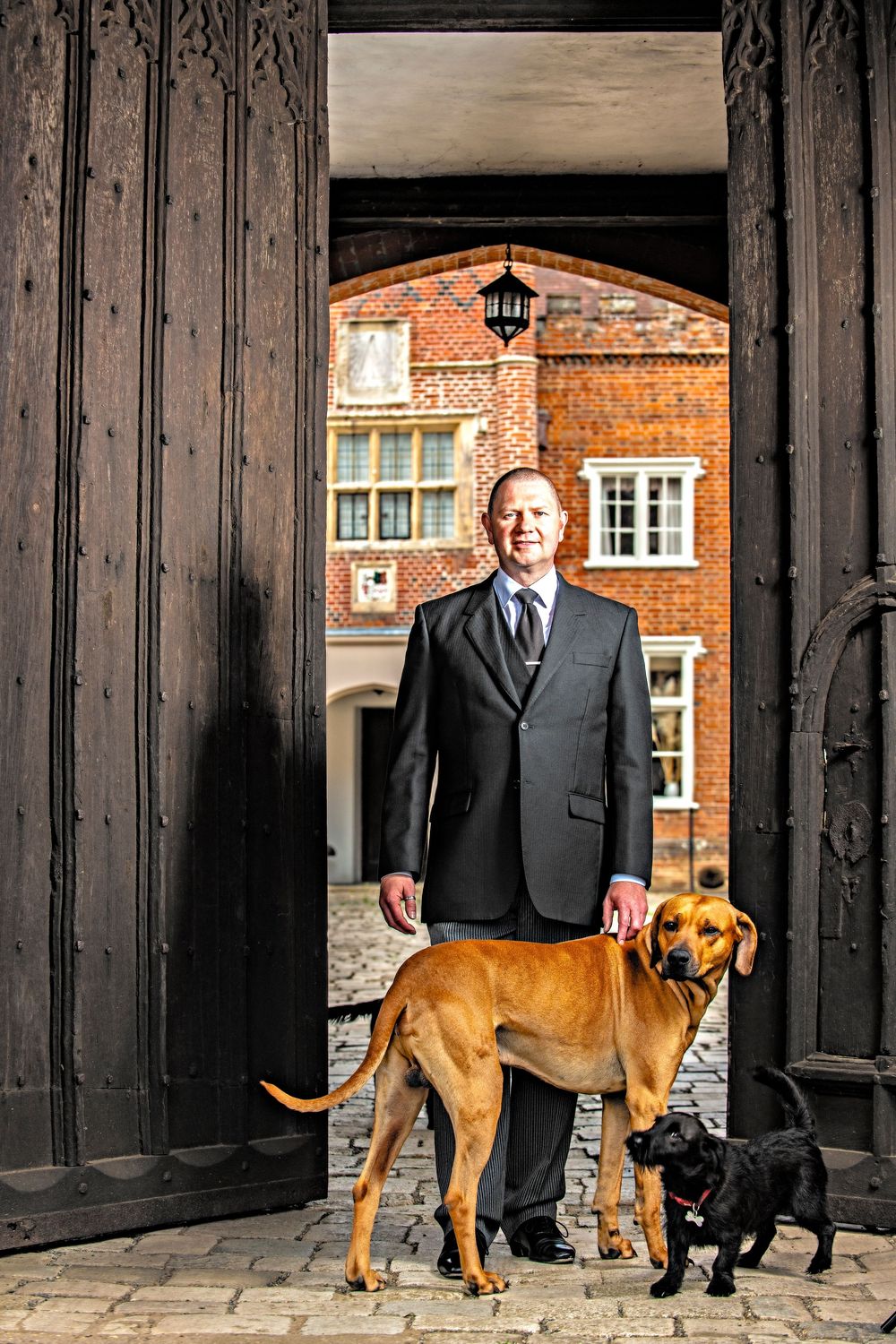
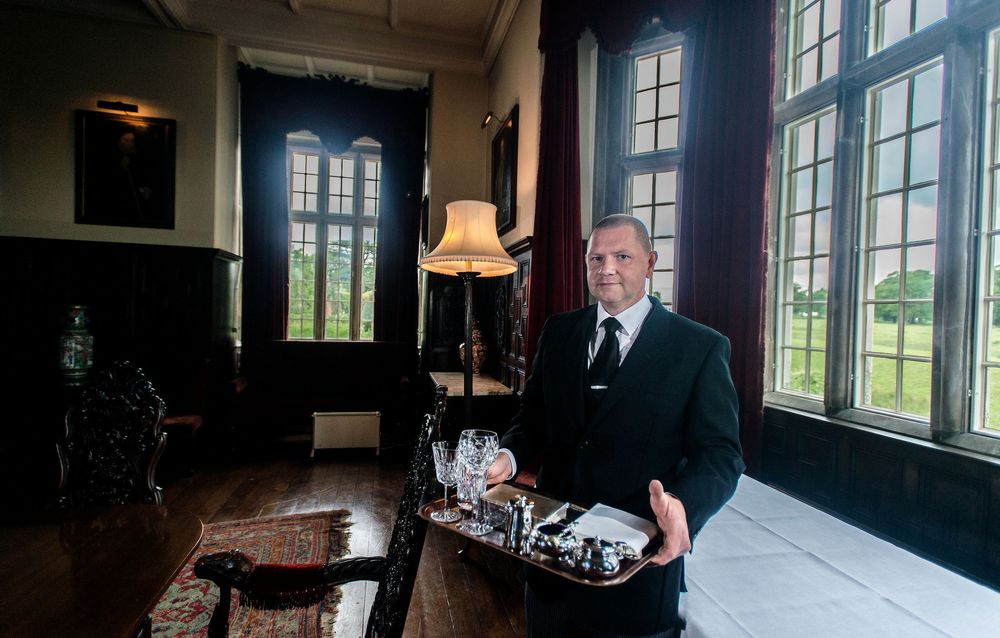
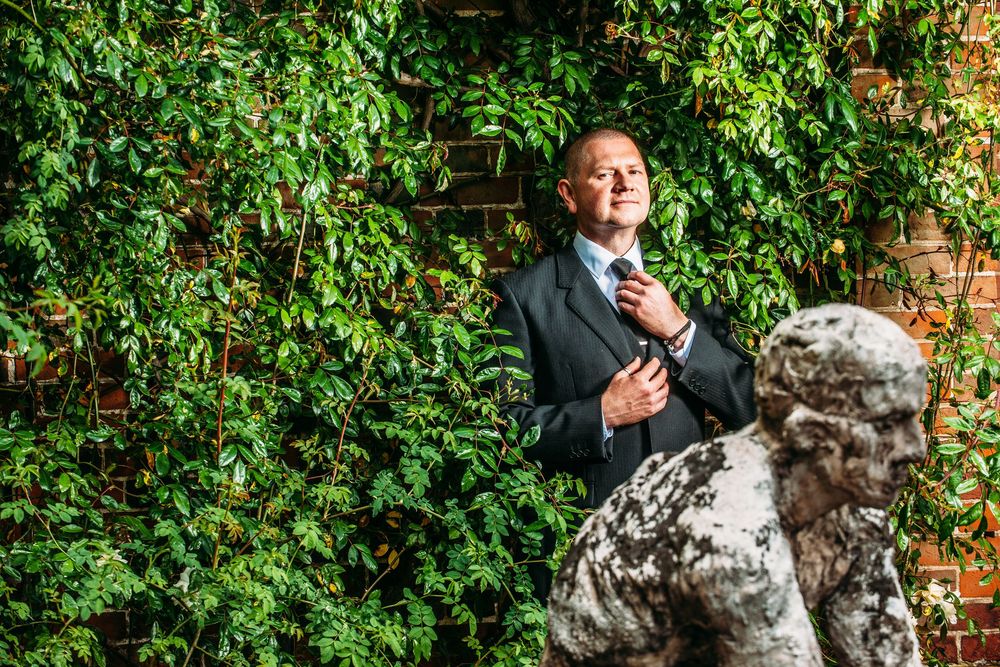
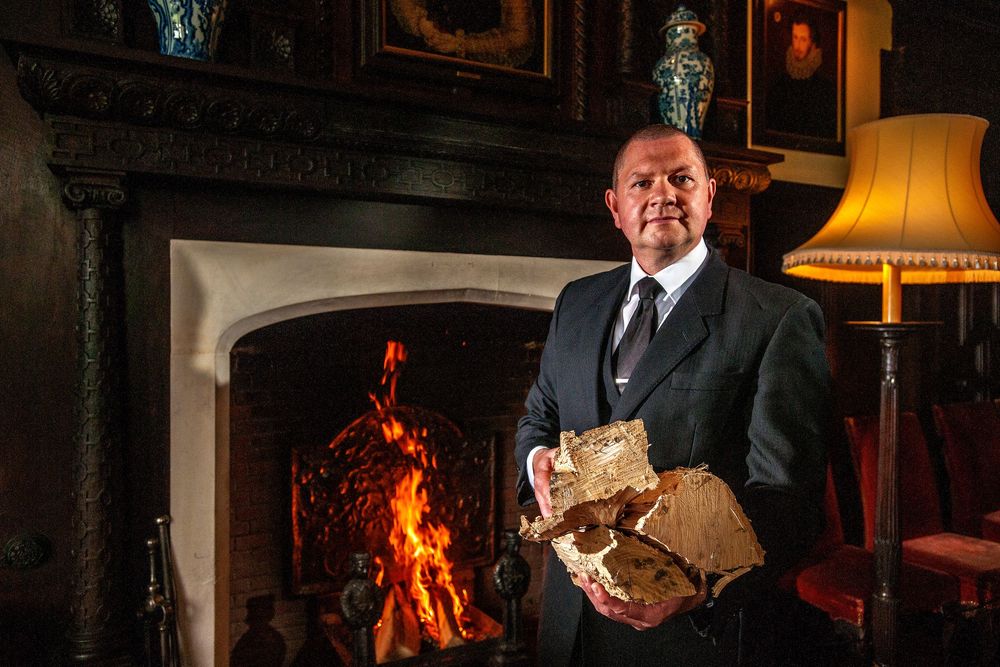
Robin Wills is butler to Lord and Lady Tollemache at Helmingham Hall, a sprawling Suffolk estate with deep roots and its own rhythm. He’s been with the family for eight years, and he speaks like someone who understands the difference between a job you do and a world you enter. Commitment.
He meets me at the service entrance of the grand house and immediately wrong-foots my expectations. He’s younger than I’d imagined, a “youngish” 45, and I catch myself realising how lazy my mental picture was. I’d expected grey hair and a slower pace. Instead, it’s calm confidence and alert eyes.
He leads me into a vast country kitchen used by both staff and the family. It’s bright, airy, and immaculate, the kind of order that feels lived-in, not staged. Everything has a place because everything needs to work.
“I’m also qualified as a chef,” he says, with a quiet pride. “And I sometimes cook for them when they ask, but not on a regular basis.”
Robin’s route into butlering wasn’t some inherited tradition. It was a choice, built on hospitality graft.
“I’ve always worked in hospitality since leaving catering college,” he tells me. “After living and working abroad, I had to decide what it was that I wanted to do. I’d worked in hotels, pubs, clubs and restaurants, but I didn’t want to get back into that situation again.” Clarity.
He stumbled across the idea of butlering, and it hooked him, not for glamour but for the craft.
“I came across the job as a butler, and I found it fascinating. It looked like a good next step, so I researched it more and realised I already had a lot of the skills through hospitality. I enrolled in an intensive ten-day course at the Ditchley Park valet school in Oxfordshire. It’s not cheap, but it’s worth it. You do get your money back.”
“After passing the course, I secured my first job in Grantham in Lincolnshire before moving on to my current position.”
So what actually makes a person suited to this work, beyond the polished shoes and the ability to pour without spilling?
“Well, the job is not for everyone,” Robin says. “You have to be a certain kind of person. You need a fair amount of patience. You need to be well-organised, self-motivated, and able to work on your own.”
Then he says the part that people outside this world rarely understand.
“You’ve also got to be a good listener. Knowing when to keep quiet is important. You have to be that person in the background.” But background doesn’t mean weak.
“I wouldn’t say you have to be placid. I’m not someone who can easily be walked over. But you do have to be reliable, the person who makes things run without needing applause.”
I ask whether that’s true across all households, or if the job changes depending on who you serve.
“It comes down to new money and old money,” he says, with the bluntness of someone who’s seen both. “New money expect a lot more from you. Old money don’t. They feel as though they require you, but they don’t really need you.”
“With new money it’s harder because it’s a statement. They expect so much more.” Pressure.
The hours are another quiet shock to the system, especially for anyone imagining it as a tidy nine-to-five with a bell and a uniform.
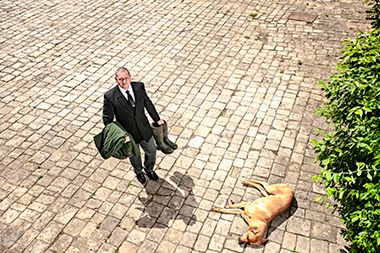
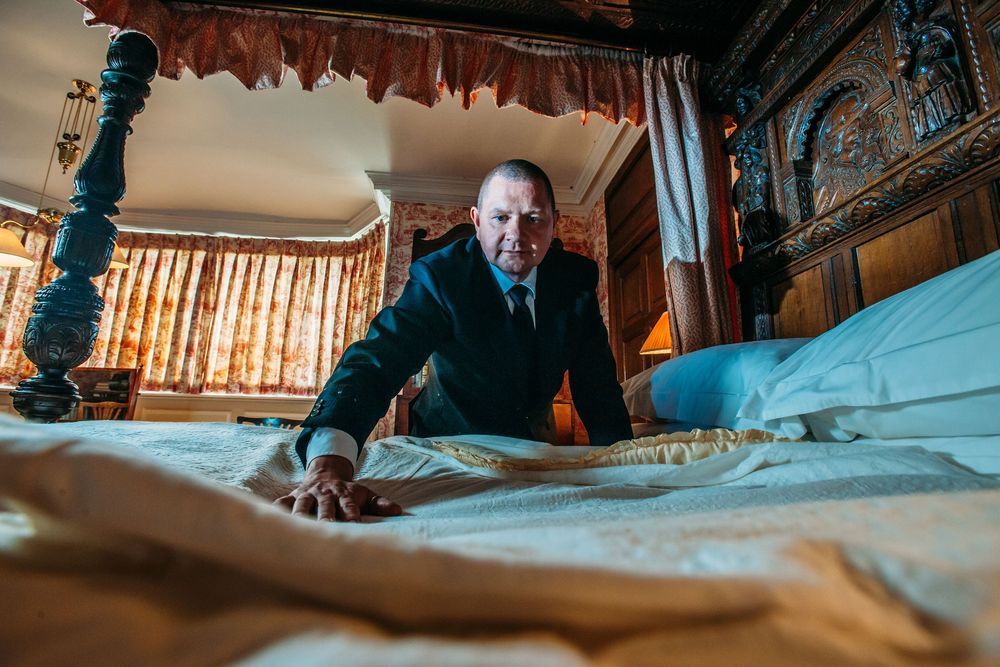
“It’s a 24/7 role because I live in,” Robin says. “Even though you have set working hours, I open up the house in the morning, take the dogs for walks if the owners aren’t here, and make sure it’s locked up at night.”
And yet, for all the tradition and formality, he’s clear that this is not a Victorian-life pledge.
“The job is a long-term commitment, but it’s also just a job,” he says. “It’s not as it was in the Downton era. That was your life back then. They were your family.” Distance.
“As far as I’m concerned, they’re my employers. I hope they like me, but they’re not my friends. A lot of people could find that hard to differentiate, working so closely with them, but that’s how I look at it.”
There are traditions, of course. This kind of house has muscle memory.
“The family like things done in a certain way,” he tells me. “They’ve had a butler here for many decades, so you fit in with how things are run. You learn what needs to be done, and the correct way.”
“And it is nice to be told you’re doing a good job, which they do from time to time.”
Then we hit the modern problem that didn’t exist in Carson’s world: social media.
“I do have Facebook,” Robin says, “but I rarely use it. I’m not one for putting my life on show. And I have to be very careful about what I say. Employers use Facebook nowadays to check on staff or prospective employees.”
“As a butler, you definitely wouldn’t put anything about your job on Facebook.”
His work schedule doesn’t just shape his week; it shapes his friendships.
“My job does affect my social life,” he admits. “I only have one day off a week, one weekend off a month, and you never really know if you’re working in the evening or not. It’s hard to plan ahead.”
“And even when the family are away, you’re still expected to get on with the duties and jobs that need doing.”
Certain seasons ramp it up.
“Summer and Christmas are the busiest times; the summer parties and Christmas drinks can get very busy.”
I asked him if he watches butlers on TV with a more critical eye.
“Of course,” he says. “Whenever there’s a film or programme featuring a butler, I’m engrossed in seeing how they react to work. But TV butlers are a world away from how it is nowadays.”
So what would he say to someone thinking of entering this world because they loved Downton and fancy the aesthetic?
“Downton Abbey was a great series,” Robin says, “but people shouldn’t confuse it with the role of a butler. You wouldn’t be so close to the family unless you grew up with them or worked with them for many years.”
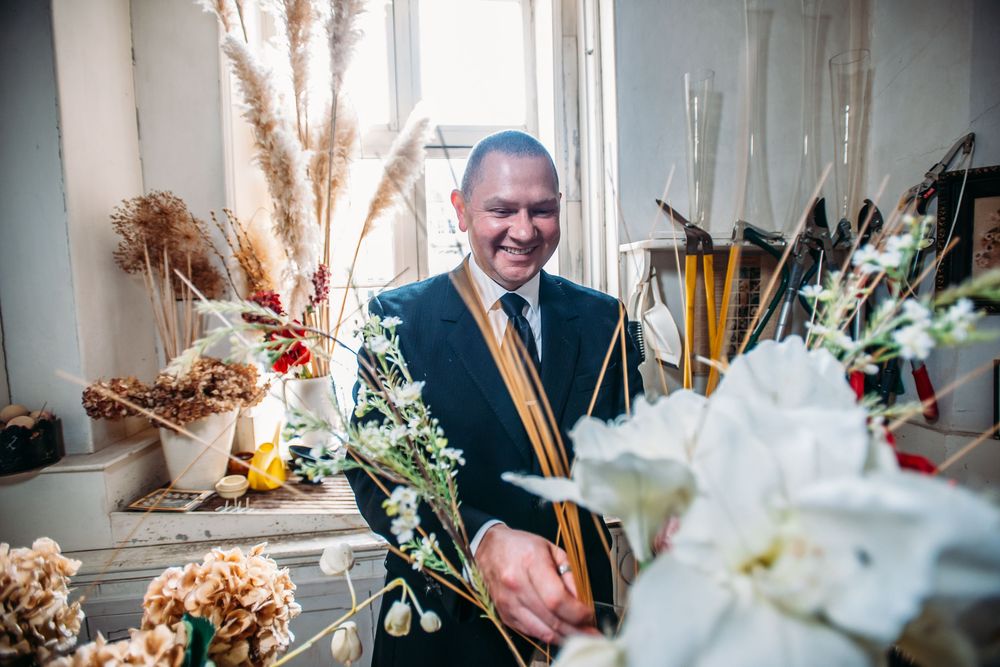
“You have to be a master of all trades. It’s not just looking after house staff members and making sure the owners are ok. You have to be a driver, take care of problems around the house, and make sure things are delivered on time.”
“You also have to remember your place. You’re here to do a job, not be their friend, and to be professional.”
“You can have a joke and a laugh, unless you’re working with someone who doesn’t want that, otherwise it can get messy.”
And the job keeps evolving.
“My role would change if the family were younger,” he says. “You could be a PA, a house manager, or become the estate administrator. It’s all changing now.” Shift.
“For me, it’s what I know and what I love. But you have to be that particular type of person to enjoy it.”
There’s another truth here that doesn’t get talked about enough. This job asks you to be invisible on purpose, to do your best work where nobody claps, and to stay steady when the stakes are high but the room stays calm. Most people want credit, recognition, and a little “well done” to keep them going. Butlering is the opposite; it’s competence without theatre. Quiet excellence.
What struck me, walking back out through that service entrance, wasn’t the glamour of a grand house. It was the discipline of being essential without being seen, the craft of holding a household together without leaving fingerprints. That’s not Downton. That’s something tougher.
Words and Pictures by John Ferguson